Thank you!
An Ooma AirDial Sales Representative will be in touch shortly.
866-839-5810



Get your custom quote.
Let’s talk and see how much you can save with Ooma AirDial.

We’ll follow up within a business day.

We’ll help you analyze whether Ooma AirDial is a good solution for your needs.

A custom quote will be generated.

Generate Your Personalized POTS Line Replacement Business Case
Get the information needed to build your case for POTS replacement. Create a customized business case document that shows how much your organization can expect to save by replacing POTS lines with Ooma AirDial.
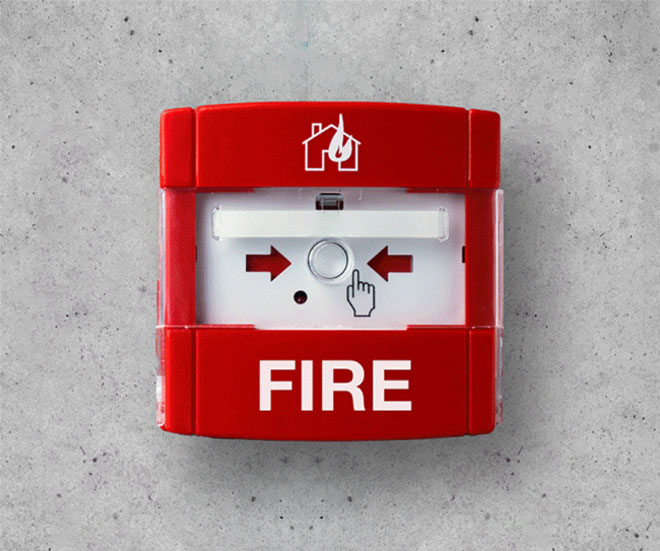
Still using POTS lines? See where they still support critical systems.
Check POTS ReadinessCall sales at:
866-902-6765
POTS line costs keep climbing? Here’s what to do about it.
Author: Tonya Hottmann
Key Points:
- POTS line prices are rising for structural reasons. Copper networks are being retired, regulatory price protections have ended, and carriers are increasing rates as maintenance costs continue to climb.
- Waiting almost always costs more. Monthly charges will likely continue increasing, and carriers will eventually discontinue copper service, leaving organizations with fewer options and tighter timelines.
- Many organizations are paying for lines they no longer need. A POTS audit often uncovers unused, duplicate, or undocumented lines that can immediately reduce costs.
- Start with an assessment, not a replacement. Understanding which lines support business-critical or life-safety systems allows you to build a planned migration that reduces costs while maintaining compliance and reliability.
You may have noticed your business phone line costs increasing month over month and year over year. This is happening to businesses across the country, and there are specific reasons behind it. Understanding them makes it easier to know your options.
1. Why your POTS line costs keep increasing
This is not random. It is happening across the board.
- Carriers are phasing out copper networks nationwide.
- Maintenance costs are rising as overall copper usage declines.
- Fewer providers are supporting legacy lines.
- Pricing increases are accelerating ahead of planned shutdowns.
For most of the past century, traditional phone lines were regulated as a public utility. Carriers were required to offer service at rates subject to federal oversight, which kept pricing relatively stable. That changed in 2022, when a 2019 FCC order took effect, removing that regulatory framework. With no price caps in place, carriers can now set rates without restriction.
POTS lines are getting more expensive to maintain, so carriers are passing those costs on to customers as the lines’ looming shutdown approaches. Some businesses have seen individual line rates increase by 200% to 400%. These are not billing errors. They reflect a deliberate shift in how carriers are managing infrastructure they plan to retire.
2. What happens if you don’t address it
Letting it ride creates more than just a bigger bill.
- Costs continue to increase year over year with no ceiling in sight.
- Those lines will be shut down by carriers regardless of whether a replacement is in place.
- Unused or redundant lines stay active and keep billing.
- Budget pressure builds across departments as costs compound.
- You lose leverage to plan and negotiate on your own timeline.
- Replacement becomes reactive instead of strategic.
The longer you wait, the more you pay and the fewer options you have. Organizations that plan the transition on their own schedule consistently have better outcomes than those responding to a deadline.
3. Where are the hidden costs?
Most organizations do not have full visibility into their POTS footprint, and that is completely understandable. These lines have often been in place for years with no reason to audit them.
- Unused or unidentified lines still being billed every month.
- Lines tied to systems that no longer exist or have been replaced.
- Multiple vendors billing for different devices and systems across the same location.
- Charges spread across locations and departments with no central view.
- Manual effort required to track, reconcile, and understand what is active.
A thorough audit frequently surfaces lines that have been paying for years with nothing on the other end. Eliminating those alone can offset a meaningful portion of transition costs.
4. Why pricing protections are gone and won’t come back
The regulatory environment that kept copper pricing stable no longer exists, and there is no indication it will be restored. Carriers are actively working to retire copper infrastructure, not extend it. The economic pressure on remaining copper customers only increases as more businesses migrate away and fixed maintenance costs are spread across a smaller base.
Rates of 200% to 400% increases have been documented in multiple markets. The trajectory is consistently upward, driven by underlying economics that are not going to reverse.
5. What to do next
The most useful starting point is understanding exactly what you have. Three questions help frame the picture:
- What copper lines are you paying for, and where are they?
- What do they actually support?
- Which ones involve life-safety or compliance obligations?
For businesses with fire alarm panels, elevator phones, security systems, or other equipment connected to copper lines, the cost and compliance questions are connected. A purpose-built POTS replacement solution addresses both: it replaces the rising monthly cost of a legacy copper line while providing the managed, compliant connectivity that life-safety systems require under NFPA 72 and ASME A17.1.
A POTS line replacement assessment can map your lines, surface any hidden costs, and build a transition plan that fits your timeline. The goal is a clean migration that reduces your costs and protects the systems that matter most.