Thank you!
An Ooma AirDial Sales Representative will be in touch shortly.
866-839-5810



Get your custom quote.
Let’s talk and see how much you can save with Ooma AirDial.

We’ll follow up within a business day.

We’ll help you analyze whether Ooma AirDial is a good solution for your needs.

A custom quote will be generated.

Generate Your Personalized POTS Line Replacement Business Case
Get the information needed to build your case for POTS replacement. Create a customized business case document that shows how much your organization can expect to save by replacing POTS lines with Ooma AirDial.
Still using POTS lines? See where they still support critical systems.
Check POTS ReadinessCall sales at:
866-902-6765
How long do I have before my phone service ends?
Author: Kathy Mazza
Key Points:
- Once a copper service discontinuance notice is issued, organizations may have as little as 90 days to complete their migration.
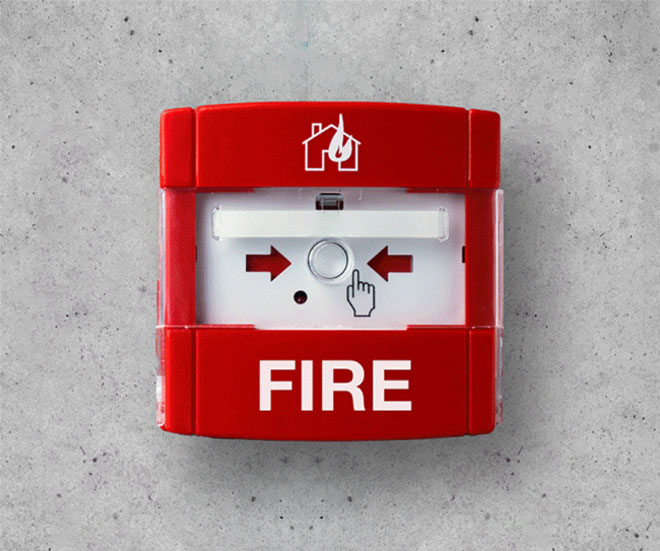
- Fire alarms, elevator phones, security systems, and other critical applications may require contractor coordination, testing, documentation, and approval.
- Even without a notice, organizations should confirm their wire center’s retirement status and begin planning before a deadline is imposed.
Timelines are fully dependent on where your copper lines are in the retirement process.
Some organizations have already received discontinuance notices. Others are in wire centers where copper service has been frozen or scheduled for retirement. Many have not received a notice yet—but that does not mean their lines are safe.
If you have received a notice
Your clock is already running.
Under current FCC rules, carriers must provide at least 90 days’ notice before terminating copper service. That timeline is based on the date listed in the notice, not the date it was opened, routed internally, or reviewed by the right team.
For ordinary phone lines, 90 days may be enough. For fire alarm panels, elevator phones, security systems, and other life-safety applications, the deadline is compressed.
A compliant migration may require contractor coordination, installation, testing, documentation, and AHJ approval. Every day of delay reduces the time available to complete the work properly.
If you have not received a notice
No notice does not mean no risk.
Carriers are retiring copper by wire center, and notices may arrive with little practical warning. Once a notice is issued, organizations may have only 90 days to identify affected lines, determine what they support, select a replacement, coordinate vendors, and complete required approvals.
The most exposed organizations are often the ones that assume they still have time.
If you are in AT&T territory
AT&T has already begun freezing and retiring copper facilities across parts of its footprint. If an affected wire center serves your building, your existing lines may continue operating for now, but AT&T can place them on a termination timeline once it issues notice.
Your AT&T account representative can confirm whether specific service addresses are in wire centers under active or scheduled retirement.
If you use another carrier
AT&T is not alone. Verizon, Lumen, Frontier, and other carriers are also moving away from copper infrastructure. Timelines vary by carrier, geography, and wire center, but the direction is the same: legacy copper service is being phased out.
Ask your carrier two questions:
- Is my service address in a wire center scheduled for copper retirement?
- What is the anticipated timeline for discontinuance?
Request the response in writing so your organization has documentation.
Why the timeline matters
For life-safety systems, copper retirement is not just a telecom issue.
Fire alarm panels may require licensed contractor work, end-to-end testing, and AHJ approval. Elevator emergency phones may require technician testing and documentation. Security panels may need coordination with the monitoring center to confirm signal delivery.
These steps take time. When done proactively, you can plan them. When started after a termination notice, they become a deadline-driven scramble.
The bottom line
The question is not whether copper retirement is coming. The question is how much time your organization has before it reaches your buildings.
If you have received a notice, act immediately. If you have not, confirm your wire center status now. The smoothest migrations happen before the deadline appears—not after the clock starts running.