Thank you!
An Ooma AirDial Sales Representative will be in touch shortly.
866-839-5810



Get your custom quote.
Let’s talk and see how much you can save with Ooma AirDial.

We’ll follow up within a business day.

We’ll help you analyze whether Ooma AirDial is a good solution for your needs.

A custom quote will be generated.

Generate Your Personalized POTS Line Replacement Business Case
Get the information needed to build your case for POTS replacement. Create a customized business case document that shows how much your organization can expect to save by replacing POTS lines with Ooma AirDial.
Still using POTS lines? See where they still support critical systems.
Check POTS ReadinessCall sales at:
866-902-6765
Preparing for building inspections after POTS line retirement
Author: Kathy Mazza
Key Points:
- Fire alarms, elevator phones, security systems, and other building equipment may still rely on legacy POTS lines.
- Creating an accurate inventory before an inspection can help facilities teams identify communication risks and missing documentation.
- Carrier notices, backup-power requirements, service status, and system ownership should all be reviewed before testing begins.
- Ongoing visibility into critical communication paths can reduce inspection delays and unexpected remediation work.
As phone carriers continue to move away from copper-line networks, building owners and facility managers are evaluating how these changes may affect critical building systems.
Many commercial buildings still rely on POTS lines for communications used by fire alarm panels, elevator phones, security systems, building entry systems, and other operational equipment. While these systems may continue functioning today, the ongoing transition away from copper lines has prompted many organizations to review their communications infrastructure before future inspections, testing, and maintenance activities.
Understanding where POTS lines are used throughout a property can help facilities teams identify potential issues before they affect inspections or day-to-day operations.
Why POTS line retirement matters
For decades, POTS lines provided the phone service many building systems depend on. As phone carriers continue modernizing their networks, organizations may encounter:
- Increased costs for legacy copper line services
- Limited availability of new copper line installations
- Changes in service offerings from phone carriers
- Reduced support for aging infrastructure
- Challenges identifying where POTS lines are still in use
For buildings with multiple systems connected to copper lines, visibility becomes increasingly important.
Systems that may still depend on POTS lines
Many facilities are surprised to discover how many devices continue using legacy copper lines.
Common examples include:
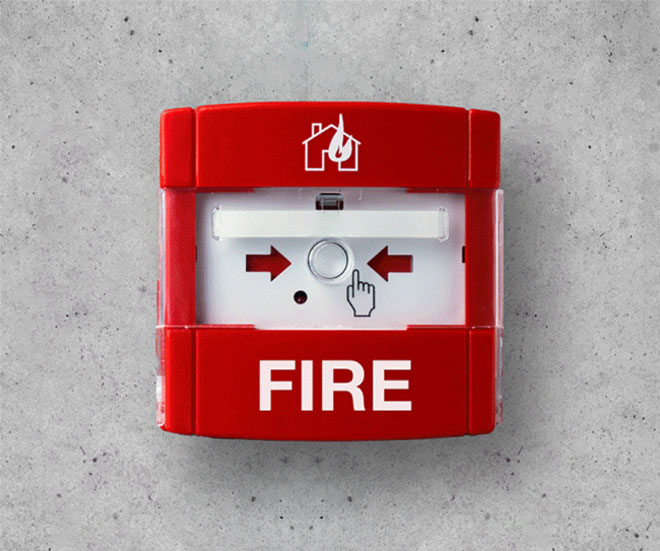
- Fire alarm panels
- Elevator phones
- Security alarm panels
- Building entry systems
- Emergency phones
- Pool phones
- Boiler alarms
- Gate access systems
- Fax machines
Because these systems are often installed years apart, documentation may be incomplete or outdated.
How copper line retirement can affect building inspections
Building inspections often include testing and verification of systems such as fire alarm panels, elevator phones, and security systems. If these systems rely on aging copper lines, facilities teams may need to confirm that service remains active and reliable.
Potential challenges include:
- Difficulty identifying which systems rely on POTS lines
- Outdated records of active phone lines
- Service changes from carriers affecting critical systems
- Delays in addressing communication issues discovered during inspections
- Limited visibility into the status of remote locations
Taking inventory before an inspection can help reduce surprises and streamline remediation efforts if issues are identified.
Preparing for upcoming inspections
Inventory critical systems
Create a list of systems that rely on external communications, including life-safety, security, and building-operations equipment.
Identify active POTS lines
Determine which devices are connected to POTS lines and verify whether those lines remain active.
Review carrier notifications
Check for communications from phone carriers regarding network upgrades, service changes, or copper line retirement plans that could affect your locations.
Verify backup power requirements
Review applicable requirements and confirm that critical systems can continue to communicate during power interruptions, where required.
Update documentation
Maintain current records showing device locations, communication methods, service providers, and maintenance contacts.
Establish ongoing visibility
Ensure facilities teams have a clear understanding of how critical systems communicate and who is responsible for managing those connections.
Questions to ask before your next inspection
Inspection readiness checklist
- Which critical systems still rely on POTS lines?
- Do we know where every active POTS line is located?
- Have any phone carriers announced service changes affecting our facilities?
- Are records for connected systems current and accurate?
- How would we know if a critical phone line or connected system stopped working?
- Are responsibilities for managing these systems clearly documented?
Inspection readiness starts with understanding your infrastructure
The retirement of copper-line infrastructure is prompting many organizations to take a closer look at the systems that support building operations and life-safety communications.
By identifying where POTS lines are used, reviewing carrier dependencies, and maintaining accurate documentation, facilities teams can be better prepared for inspections and reduce the likelihood of unexpected issues during testing, maintenance, or service transitions.