Thank you!
An Ooma AirDial Sales Representative will be in touch shortly.
866-839-5810



Get your custom quote.
Let’s talk and see how much you can save with Ooma AirDial.

We’ll follow up within a business day.

We’ll help you analyze whether Ooma AirDial is a good solution for your needs.

A custom quote will be generated.

Generate Your Personalized POTS Line Replacement Business Case
Get the information needed to build your case for POTS replacement. Create a customized business case document that shows how much your organization can expect to save by replacing POTS lines with Ooma AirDial.
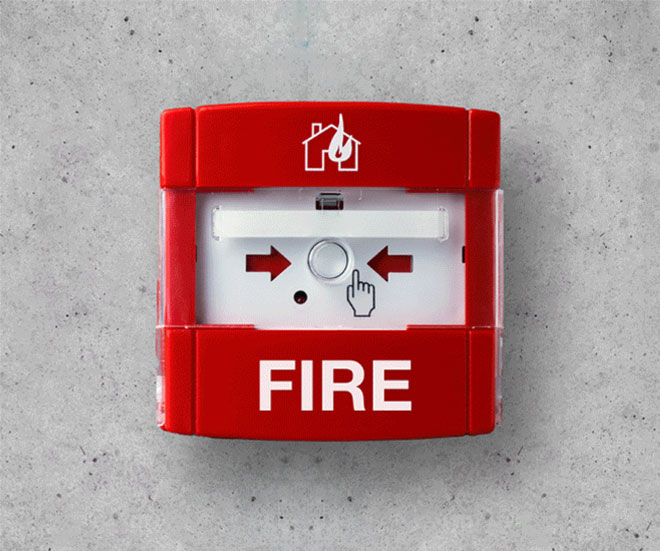
Still using POTS lines? See where they still support critical systems.
Check POTS ReadinessCall sales at:
866-902-6765
Signs your telecom infrastructure needs an upgrade
Author: Kathy Mazza
Key Points:
- Recurring tickets at the same sites or for the same devices may point to a persistent problem.
- Complaints about call quality, missing features, or gaps in remote work indicate where communications issues fail staff needs.
- Security incidents involving telecom equipment signal a need to review the affected systems and their management.
- An infrastructure modernization plan should cover every device at every location and identify any critical devices that still rely on copper lines.
- Start with an inventory of all devices and lines then prioritize upgrades by risk and business impact.
Dropped calls, urgent IT tickets and recurring call quality issues at the same location or with the same devices are more than just workarounds. Combined, they may be telling you that your telecom infrastructure needs to be modernized.
You do not need to replace everything at once. The first step is to recognize the pattern, find out what is causing it, and build a plan around the sites and systems that need attention most.
1. The same sites or devices keep generating tickets
When a problem comes after multiple repairs, look beyond the latest ticket to the history of the devices and locations. Recurring issues may involve phone lines, local equipment, connectivity, power, or the way several systems work together.
Review your ticket history for patterns:
- Which locations generate the most repeat requests?
- Are the same phones, lines, or connected devices involved?
- Do failures happen at a particular time or after an outage?
- How long does each fix take and how long does it last?
Lines serving fire alarm panels, security alarms, elevator phones and emergency safety phones deserve particular attention. Identify what the lines support and assess your need for copper line replacement. Resolving repeat tickets one by one can hide the full cost and impact of keeping those systems in place.
2. Security incidents expose management gaps
If an incident involves a phone system, connected device, or other telecom equipment, investigate the affected equipment and use what you learn to review how those systems are inventoried, configured, monitored, and maintained.
Questions to ask include:
- Do you know which devices and services are connected at each location?
- Who can access their settings?
- Are software and configurations being maintained?
- Can your team see when a device or connection goes offline or fails?
An incident does not mean every part of the system must be replaced. It does give you a reason to identify equipment that is difficult to secure or manage and include it in your upgrade priorities.
3. Critical systems may be outside your usual phone inventory
An assessment of enterprise infrastructure should extend to life-safety equipment including fire alarms, elevator emergency phones, entry systems, and security devices.
Document what each line supports before changing or disconnecting it. For critical devices, confirm the applicable requirements with your service providers, contractors, and local authorities.
Your step-by-step upgrade guide
Step 1: Map the recurring problems
Bring together trouble tickets, staff feedback, service records, and incident findings. Look for patterns by site, line, device, and type of failure.
Step 2: Inventory lines and connected systems
Record each phone number, its location, the equipment it supports, and the team or provider responsible for it. Physically check equipment areas where records are incomplete.
Step 3: Prioritize by impact
Address systems tied to safety, security, or repeated outages first. Then rank the remaining sites by ticket volume, staff impact, and the effort required to maintain them.
Step 4: Test a solution before a broader rollout
Choose representative sites and use cases for a pilot. Confirm call quality, required features, remote access, and the operation of any connected devices before expanding the deployment.
Step 5: Roll out and verify
Move in phases, document test results, and give staff a clear way to report issues. Keep existing service in place until each replacement is working as intended.
The real decision
The question is not whether any single trouble ticket justifies a major project. It is whether the same problems, workarounds, and risks are becoming a routine part of operating your telecom infrastructure.
A clear inventory and a prioritized plan let you address those issues on your timeline, with the most critical systems first.
Next step
Start with three questions:
- Which sites or devices keep having problems?
- Where are staff struggling to communicate?
- Which phone lines support critical equipment?
An assessment can turn those answers into a practical infrastructure modernization plan for your organization.