Thank you!
An Ooma AirDial Sales Representative will be in touch shortly.
866-839-5810



Get your custom quote.
Let’s talk and see how much you can save with Ooma AirDial.

We’ll follow up within a business day.

We’ll help you analyze whether Ooma AirDial is a good solution for your needs.

A custom quote will be generated.

Generate Your Personalized POTS Line Replacement Business Case
Get the information needed to build your case for POTS replacement. Create a customized business case document that shows how much your organization can expect to save by replacing POTS lines with Ooma AirDial.
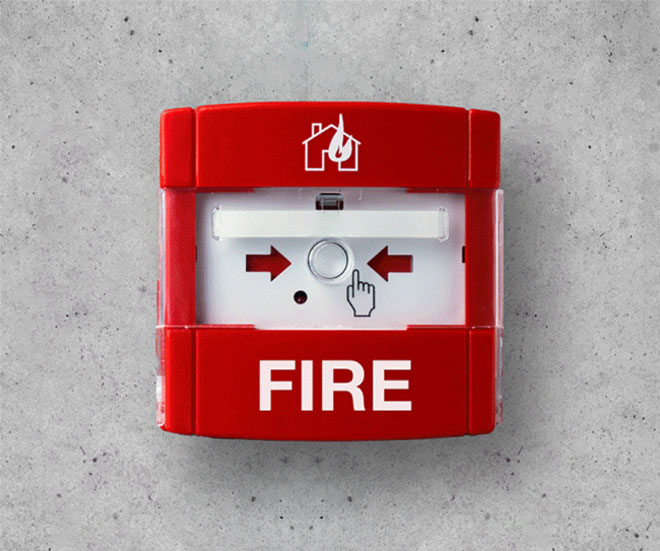
Still using POTS lines? See where they still support critical systems.
Check POTS ReadinessCall sales at:
866-902-6765
Got a POTS Shutdown notice? What to do next
Author: Tonya Hottmann
Key Points:
- A POTS shutdown notice means the copper lines at your location are scheduled to be disconnected, typically within a 90-day transition window.
- Fire alarms, elevator phones, security systems, access controls, fax machines and other critical equipment may still depend on copper lines.
- Life-safety systems require a purpose-built replacement that supports applicable NFPA 72, ASME A17.1 and local AHJ requirements.
- Audit every affected phone number and physically inspect equipment areas before selecting or installing a replacement.
- Install and test replacement connectivity before canceling existing copper service, prioritizing fire alarms and elevator emergency phones first.
You are probably reading this because you just received a letter from your incumbent carrier. It looks like a routine notice, but it carries real urgency, and it is completely understandable to have questions.
Here is the short version: carriers are shutting down copper phone lines, and your notice means the lines at your location are scheduled for discontinuation. You will need a replacement. The good news is that organizations across the country are navigating this successfully every day, and with a clear plan, you can too.
This guide will walk you through what the notice means, which building systems may be affected, and exactly what steps to take next.
1. Why you’re receiving this notice
This is not something your organization did or failed to do. It is a nationwide infrastructure change.
- Copper telephone networks are being retired across the country.
- Maintenance costs have made it economically unsustainable for carriers to continue.
- Every major carrier, including AT&T, Verizon, Lumen, and Frontier, is on the same path.
In October 2025, AT&T froze new orders for copper lines across roughly 1,700 wire centers in 19 states. In June 2026, physical decommissioning of the first wave of wire centers began. AT&T has publicly committed to retiring virtually all remaining copper by the end of 2029.
Your notice is your official 90-day window to make the transition. That may feel like a tight timeline, and for some building systems it is, which is why starting now puts you in the best possible position.
2. What happens if the lines go dark without a plan
The timeline is real, and the consequences of an unplanned transition are significant. This is not meant to alarm you, only to help you understand what is at stake so you can act with confidence.
- Lines are disconnected on the retirement date with no automatic alternative provided.
- Costs can continue to rise in the months leading up to termination as pricing protections are removed.
- Critical building systems can lose connectivity without any visible warning.
- A rushed replacement at the deadline often means limited contractor availability.
- Life-safety compliance obligations may be affected if certain systems go offline.
One specific compliance issue worth understanding: under NFPA 72, the National Fire Alarm and Signaling Code, a fire alarm panel that loses its communication path is classified as an impaired system; in most jurisdictions, that triggers mandatory notification to the local Authority Having Jurisdiction and a required fire watch, which typically runs $500 to $2,000 per day, until the system is restored. This is not a penalty for anything done wrong. It is simply how the code works, and it is worth knowing about before rather than after a transition.
3. Which building systems may be affected
This is where many people are caught off guard, and understandably so. Copper lines have been quietly supporting far more than telephone handsets for decades. Most building owners and facilities managers have never had a reason to audit them.
Systems that commonly run on copper lines include:
- Fire alarm panels
- Elevator emergency phones
- Security systems and burglar alarms
- Access control and gate entry systems
- Fax machines
- Intercom and building entry systems
- Backup voice lines and PBX trunks
Many of these are life-safety systems, and their continued operation is not optional under the codes that govern them.
Fire alarm panels use a component called DACT to dial a monitoring station when an alarm triggers. Elevator emergency phones are required under ASME A17.1 to provide two-way communication for anyone who might be trapped. When a copper line is terminated, these systems lose their communication path. Because the failure is often silent, there is no visible indication that anything is wrong until an inspection or an emergency reveals it.
It is also worth knowing that buildings often have more copper lines than anyone realized. A building that appears to have three or four lines frequently turns out to have eight or twelve once every equipment closet, boiler room, pool area, and parking structure is checked. A thorough audit before the transition date is one of the most valuable things you can do.
4. What to look for in a replacement solution
Understanding what your systems need makes it much easier to evaluate your options confidently.
The key technical requirement for life-safety systems is something called an MFVN, or Managed Facilities-based Voice Network. NFPA 72 requires that fire alarm communication paths use an MFVN, meaning a managed, private connection in which traffic never travels over the public internet. Standard VoIP does not meet this requirement, which is why a purpose-built POTS replacement is the right solution for buildings with fire alarms, elevator phones, or security dialers.
When evaluating a replacement solution, the following criteria matter most:
- Redundancy: Dual-path connectivity that keeps systems operational if one path fails.
- Compliance certification: NFPA 72 and ASME A17.1 compliance, along with AHJ documentation your inspector can review.
- Power continuity: Battery backup that meets your jurisdiction’s requirements, typically 8 to 24 hours.
- Remote visibility: A management portal that lets you monitor system status across locations without sending someone on-site.
- Drop-in compatibility: Works with your existing equipment so fire alarm panels, elevator phones, and other devices do not need to be replaced.
Your step-by-step response guide
With 90 days from the notice date, here is a practical sequence that gives you the best chance of a smooth transition.
Step 1: Identify every system on the affected lines
Start by pulling your AT&T invoices and noting every phone number included in the notice. Then arrange for a physical walkthrough of the building to document what is connected to each line. Equipment closets, elevator machine rooms, boiler rooms, parking structures, and pool areas are all worth checking. This step often surfaces systems that have not been thought about in years, and that is completely normal.
Step 2: Understand the compliance requirements for your specific systems
Before selecting a solution, it helps to understand what is required. Fire alarm panels need MFVN-compliant connectivity under NFPA 72. Elevator emergency phones must have a system that continues to function during power outages per ASME A17.1. Your local AHJ has final approval authority for fire alarm communication paths. Asking your replacement vendor for their AHJ documentation package in advance makes the approval process smoother.
Step 3: Select a solution built for life-safety applications
The carrier’s notice will typically suggest an alternative service, and for general office phones that may be a reasonable starting point. For life-safety systems, however, the requirements are more specific. Any replacement solution must meet the MFVN requirement under NFPA 72 and carry the certifications your AHJ requires before approving the new communication path. A purpose-built POTS replacement solution designed specifically for fire alarm panels, elevator emergency phones, and security systems is the most reliable way to meet those obligations without uncertainty.
Step 4: Prioritize life-safety lines in your installation schedule
Fire alarm panels and elevator emergency phones should be transitioned first, both because of the compliance stakes and because coordinating with licensed contractors takes more lead time. A well-designed POTS replacement installs quickly and connects to existing equipment via a standard telephone jack, so the transition is less disruptive than most people expect.
Step 5: Test every system after installation
After installation, confirm with your fire alarm monitoring company that they are receiving signals from your panel. Test the elevator emergency phone with your elevator maintenance company. Getting written confirmation from monitoring companies that signals are coming through cleanly is good practice and useful documentation to have on file.
Step 6: Cancel the copper lines once everything is confirmed
Once the replacement is installed, tested, and confirmed operational, reach out to AT&T to cancel the copper lines. Building in a little buffer before the termination date gives you time to address anything unexpected during the transition.
The real decision
The notice is the trigger, but the outcome is for you to shape.
Organizations that move through this transition smoothly are the ones that start the key conversations early. The technical transition itself is often less complicated than anticipated. The challenges tend to arise when those conversations happen under time pressure.
You have received the notice. You have this guide. Starting now means you get to do this on your terms.
Next step
Before selecting a replacement solution, it helps to have a clear picture of what you actually have. Three questions are worth answering first:
- Which copper lines do you have, and where are they located?
- What systems do they support?
- Which ones involve life-safety or compliance obligations?
A POTS line replacement assessment can help you map your lines, surface any hidden dependencies, and build a transition plan that fits your timeline. The goal is a smooth migration that protects your systems, satisfies your compliance obligations, and, ideally, reduces what you pay in the process.
You have everything you need to move forward. Start today.