Classic toy telephones every kid remembers
 | July 13, 2026 | 6 min read |
Key Points
- Toy telephones have evolved alongside real phone technology for more than 60 years.
- Classic favorites like the Fisher-Price Chatter Telephone remain beloved today.
- Modern toy phones focus on education, while real kids' phones emphasize safe communication.
- Screen-free phones can help children build communication skills without smartphone distractions.
- Nostalgic toy phones continue to inspire today's family conversations.
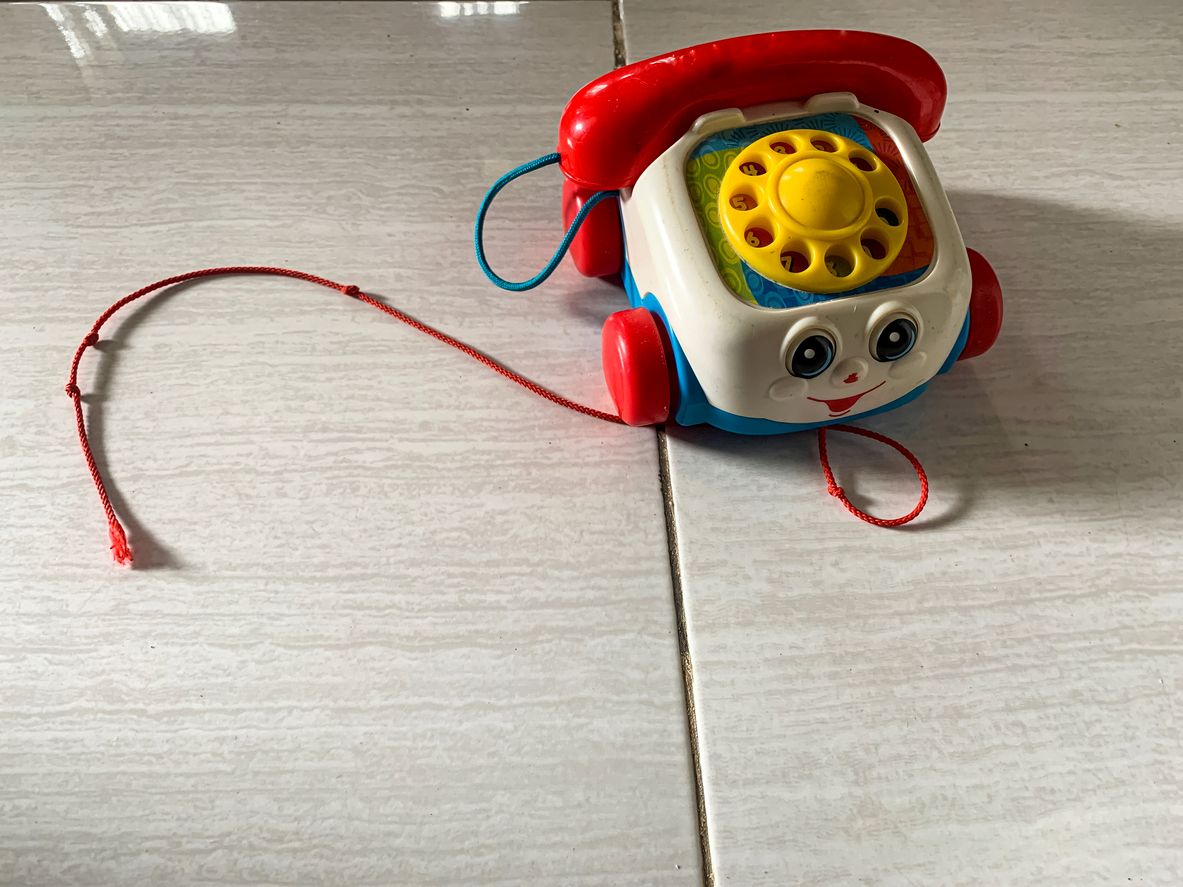
What did we do before telephones? Did mothers send Millie or Jeb out to the field to ask dad what he wanted for dinner? What about the latest gossip? If it couldn’t be shared over the back fence, did it happen?
But then one day we had phones in the kitchen, and life utterly changed. As a short history of telephones reminds us, party lines and operators who connected the call used to be standard issue. We gave up a little privacy to be able to chat whenever we wanted to.
When direct connect said goodbye to the operator, we quickly adjusted to handling the call ourselves, and the added privacy was most welcome. Then suddenly we had phones in our palms or pockets, and the freedom to talk anytime without stretching the cord or hiding in the bathroom.
When you have kids, however, phone privacy flies out the window faster than a transatlantic call. The solution? Give the kids a toy phone so they can mimic adults without disturbing your actual call. That’s exactly what astute purveyors of children’s toys did.
Here’s a half-century of classic toy telephone evolution:
Best Toy Phones of the 1960s
1. Fisher Price Chatter Telephone
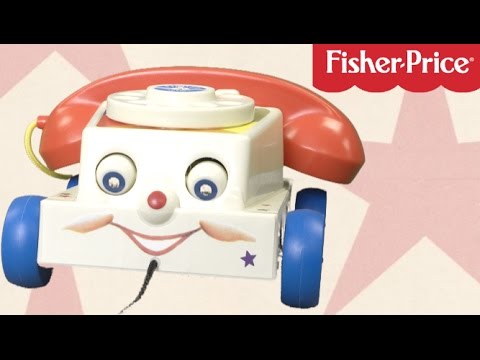
The 1960s was a radical era, with a massive counterculture movement and a historic walk on the moon. Obviously all these activities required a lot of time on the telephone. And kids want to imitate adults. Fisher Price to the innovative rescue! The renowned toy company created the first toy phone in 1961.
Featuring a ringing rotary dial, eyes that roll up and down, and a chattering mouth, the Chatter phone introduced kids to telephone use and quickly became a favorite among preschoolers. How you gonna plan the revolution without talking up a storm? Decades before “hit me up” (hmu) became the text equivalent of talking, “chat me up” might’ve been the four-year-old’s rallying cry. (Except they were probably too busy mimicking Mom to create memes.)
Fun fact: The Chatter phone was originally introduced as the “Talk Back” phone. Fisher Price soon changed the name, however, as parents were hesitant to buy a toy that appeared to promote “talking back.” This beloved children’s toy phone has delighted generations since its debut.
2. Mattel-O-Phones
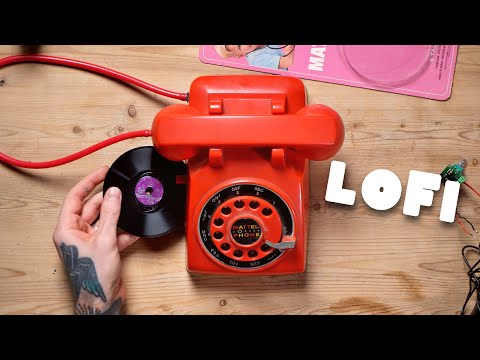
A pretty high-tech toy for its time, the Mattel model was a battery-operated toy phone that enabled children to play recorded conversations with their favorite characters: Barbie, Peanuts, and Dr. Seuss.
Fun fact: The 1960s Mattel-O-Phone featured miniature toy phones sold as props or in play sets. Of course Barbie had a teeny-tiny Mattel-O-Phone—or three of four—in pastel pink or turquoise to accessorize her outfits. Barbie phones were the bomb for that era. She was the rotary toy phone queen!
Best Toy Phones of the 1970s-1980s
3. Minnie Toy Phones
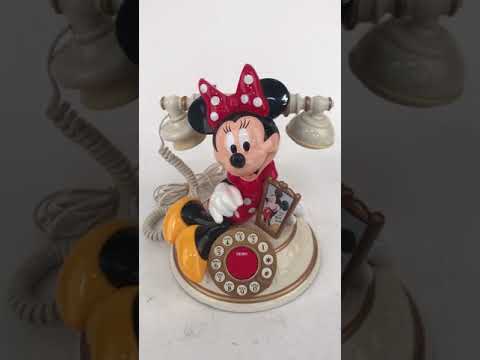
Children’s toys that evolve alongside real-world technology endure, and this is why Minnie toy phones have long been a favorite of kids and parents alike. The name originated with the earliest Minnie-branded toy telephones in the 1970s and 1980s, coinciding with the introduction of novelty- and character-shaped phones like the Mickey Mouse and Minnie Mouse rotary phone.
Fun fact: Minnie phones later mimicked early flip phones, then became toy smartphones, and “Happy Helper” interactive toy phones complete with lights, sounds, and actual recorded character phrases.
4. Mattel See-and-Say Telephone

Mattel, which dominated the toy market for generations, introduced this series of character-themed, interactive toy phones in the early ’80s. See-and-Say phones had all the bells and whistles: pull strings, rotary dial and audio so kids could pretend to chat with their favorite characters, from Smurfs to Muppets.
Fun fact: Mattel acquired Fisher Price in 1993, assuring their global dominance for decades to come.
Best Toy Phones of the 1990s
5. Playskool “Little Operator” Pay Phone
This popular retro toy telephone, often remembered as PS-770, was designed with preschoolers in mind, as the name suggests. It combined a functional 10-number memory, switchable tone-pulse dial system and customizable picture slots so kids could insert photos of family or friends. Pretty sophisticated and cool for a four-year-old. Since it was battery operated, you could even store pre-programmed numbers in memory.
Fun fact: Because these electronic toy phones were produced in the early 1990s, they’re now considered vintage collectibles.
6. Trendmasters Looney Phones
Did someone say “phones from pop culture“? While adults may fondly remember iconic TV phones such as Dick Tracy’s wrist phone (where do you think Apple got the idea?) or Maxwell Smart’s shoe phone, ’90s kids adored the Looney Phone, which featured wacky cartoon character faces, a working keypad, and preprogrammed phrases such as “Hello, hello? I can’t hear you! Make it loud!” Introduced in 1993, it’s now a classic nostalgia item.
Fun fact: These toy phones were designed to mimic answering machine gags or cartoon sound effects rather than typical conversations.
Best Toy Phones of the 2000s
7. LeapFrog
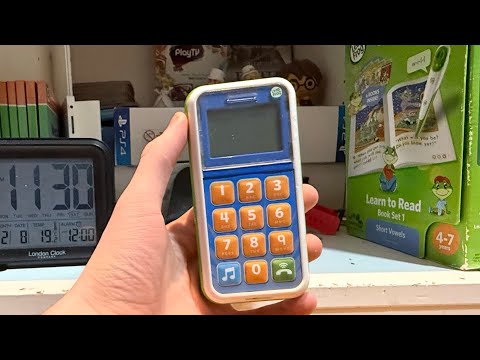
Originally released in 2009, with upgraded successors like the Chat & Count Smart Phone (2012) and the Chat & Count Emoji Phone (2018), the LeapFrog phone features dozens of interactive phrases, songs and conversational words designed to teach toddlers basic vocabulary, numbers, foreign languages and even conversation manners, depending on the model selected.
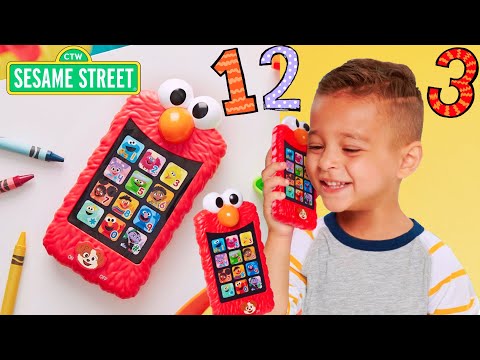
Fun fact: One version is a Sesame Street collaboration known as the Learn with Elmo Phone. It features a dozen buttons that play Sesame Street phrases and showcase Elmo and friends teaching counting, colors, shapes, rhymes, and Spanish.
Best Toy Phones of the 2010s
The 2010s signaled a major transition for toy phones, shifting from the earlier chunky, mechanical pull-toys to sleek, light-up replicas of actual smartphones. As in the past, the most iconic toy phones of the decade mimicked adult technology, adding educational sing-alongs and safe interactive play.
8. VTech Disney Pixar Toy Story Learning Phone
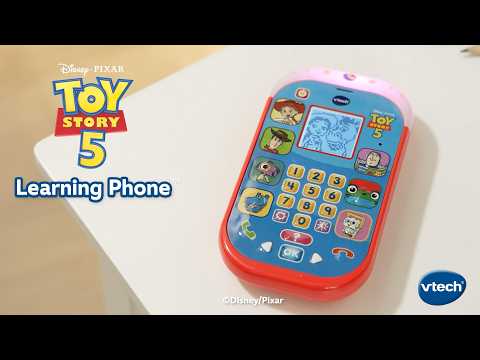
A flip-style keypad phone capitalized on the boom of Disney-branded learning toys, teaching logic, matching, and numbers—all featuring well-loved character voices. It’s a nod to how popular toy phones have become, since VTech isn’t even a toy company!
9. Fisher-Price Laugh & Learn Smart Phone
The leader in early childhood pretend play continued to iterate with the times. This toy smartphone featured yellow (and later pink) casing, with colorful app buttons that taught kids ABCs, numbers, and weather by playing over 20 catchy songs and phrases.
10. Sesame Street’s Elmo Cell Phone and LeapFrog’s Chat & Count Smart Phone
Sesame Street’s Elmo Cell Phone and LeapFrog’s Chat & Count Smart Phone kept these popular toy phone brands up to date.
Toy story: Getting real
The Firefly mobile phone, launched in 2005, was the first real phone created specifically for children, with a candy-bar like design. It featured parental controls, a simplified keypad with dedicated buttons for Mom and Dad on speed-dial, and even a 911 button. Though the Firefly lacked internet access and texting capability, it was a working phone.
Toy phones prepared kids to use telephones, true, but in today’s smartphone world, toys can’t properly prepare children for potential overindulgence in screen usage, when social media, gaming, streaming, and other screen hazards detrimental to growing brains and bodies beguile innocent eyes. Something beyond a toy telephone is needed.
Considering what we now know about how excessive screen time can harm children’s development, a safer bet is a landline such as the MyPhone kids phone, which is easy to use, fun, stylish (six color choices) and screen-free, with built-in safety features such as a call log and scheduled quiet hours, so parents can keep track of when kids are on the line, and disconnect them when it’s time for homework or bed.
Some of the most memorable telephone moments in film have taken place on landline phones from ’80s movies, such as Ghostbusters’ “Who ya gonna call?” Even if you weren’t born when the movie came out, you’ve probably heard that catchy tagline in song.
So let’s sing the praises of real home phones making a cool retro return. Whether toy telephones are among the sought-after toys your youngster loves or you’re simply a nostalgia buff, they live on in happy memories.
Husain Sumra is a former journalist who reported on the biggest companies in tech, from Apple to Amazon, covering cloud services, consumer technology and communication solutions. His journalism background has helped him bring a customer-first approach to content marketing, creating pieces of content aimed at helping people.