Thank you!
An Ooma AirDial Sales Representative will be in touch shortly.
866-839-5810



Get your custom quote.
Let’s talk and see how much you can save with Ooma AirDial.

We’ll follow up within a business day.

We’ll help you analyze whether Ooma AirDial is a good solution for your needs.

A custom quote will be generated.

Generate Your Personalized POTS Line Replacement Business Case
Get the information needed to build your case for POTS replacement. Create a customized business case document that shows how much your organization can expect to save by replacing POTS lines with Ooma AirDial.
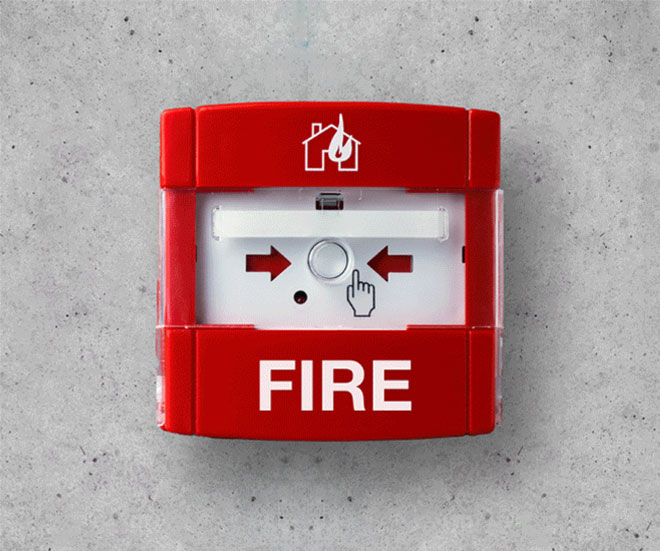
Still using POTS lines? See where they still support critical systems.
Check POTS ReadinessCall sales at:
866-902-6765
Can analog phone line upgrades support corporate sustainability goals?
Author: Tonya Hottmann
Key Points:
- Replacing analog phone service can support corporate sustainability goals when the project preserves existing equipment and avoids unnecessary replacement.
- Upgrading expenses may qualify for an existing sustainability budget or ESG initiative, depending on your organization’s funding criteria.
- Include equipment reuse, responsible recycling and documented project outcomes in your business case.
- Bring IT, Facilities, Finance and Sustainability teams together early to evaluate the opportunity.
Upgrading analog phone service can advance corporate sustainability goals by modernizing connectivity while keeping functioning equipment in service. Preserving existing devices can help avoid unnecessary replacements and support resource conservation, waste reduction and responsible purchasing.
For organizations looking to strengthen sustainability within business operations, this approach connects a practical infrastructure investment with broader environmental priorities. Depending on the organization’s funding criteria, upgrading expenses may also fit within existing sustainability budgets or ESG initiatives. Money saved from rising monthly phone bills can be used to support other organizational sustainability efforts.
Where corporate sustainability fits into an analog upgrade
Modernizing phone service can preserve the equipment your organization already relies on for fire, life, and safety. A compatible POTS replacement solution can keep existing fire alarm panels, elevator phones, entry systems and other supported analog devices connected while replacing the service behind them.
Extending the useful life of functioning equipment supports responsible resource use and can help reduce electronic waste. The EPA recognizes reuse and longer product life as practices that help reduce waste. [1]
As you evaluate an upgrade, identify which devices can stay, what new hardware is required, and which equipment needs to be retired. Use those findings to document how the project supports your organization’s sustainability goals.
Can upgrade costs fit within ESG initiatives?
The expense of moving analog phone lines to a cloud-based replacement may be eligible for funding through corporate sustainability initiatives when the project meets your organization’s criteria.
Start the discussion with finance and sustainability leaders before finalizing the budget. Ask whether existing ESG initiatives support projects involving equipment reuse, waste prevention, responsible procurement or infrastructure modernization tied to defined sustainability objectives.
Prepare a proposal that explains:
- Sustainability objectives the project supports.
- Functioning equipment that will remain in use.
- Purchases or replacements that can be avoided.
- Retired equipment handling.
- Project expenses that may qualify for funding.
- Evidence the organization will retain to document results.
Funding eligibility depends on your organization’s policies and approval process. Confirm which costs qualify rather than assuming the entire migration belongs in a sustainability budget.
Preserve equipment while modernizing communications
For organizations managing multiple properties, an analog upgrade is an opportunity to evaluate equipment consistently across locations.
Ask vendors to confirm compatibility with the devices you intend to keep including the equipment’s condition, maintenance needs and applicable safety requirements.
Document the equipment preserved through the project. A record of device types, quantities and locations gives procurement and sustainability teams a concrete account of what remains in use.
Plan for responsible equipment disposal
Some equipment may need to be replaced during the transition and should be included in the project plan.
Identify opportunities for appropriate reuse or refurbishment and arrange responsible recycling for equipment that needs to be retired. The EPA recognizes these practices as part of sustainable electronics management. [1]
Ask your vendors who will handle removed equipment and what records they can provide and keep those records with the project documentation.
Build corporate sustainability responsibility into the decision
Corporate sustainability responsibility becomes more practical when it is part of purchasing and budget decisions. Bring the relevant teams together to evaluate both the communications requirements and the opportunity to use resources more efficiently.
IT and facilities can establish technical needs. Procurement can evaluate vendor commitments. Finance can review funding options, while sustainability leaders can determine how the project aligns with existing goals and reporting practices.
Define how you will measure the project’s sustainability results before work begins. This might include retained devices, equipment reused and items sent for responsible recycling. Any energy or emissions claims should be supported by measurements and a clearly defined comparison.
What should you do next?
- Review your sustainability priorities. Identify goals the upgrade could support.
- Confirm equipment compatibility. Determine which functioning devices can remain in service.
- Discuss funding eligibility. Ask finance and sustainability leaders which expenses may qualify.
- Include disposal requirements. Establish how removed equipment will be reused or recycled.
- Document the results. Retain records that support your project’s sustainability contribution.
Take the next step
Make corporate sustainability part of the conversation as you plan your move away from copper phone service. Evaluate how the project can preserve equipment, support responsible purchasing and fit existing ESG initiatives.
Sources
[1] EPA — Electronics Basic Information Research and Initiatives