Summer school ready: Supplies, safety & household essentials
 | June 25, 2026 | 5 min read |
Key Points
- Summer school success starts with essential supplies, hydration, sun protection and clearly labeled belongings.
- A dedicated home learning space should include comfortable furniture, good lighting, technology access and basic school supplies.
- Parents can improve online safety by using parental controls, setting Internet boundaries and understanding COPPA protections.
- Summer safety requires attention to helmet use, bug prevention, water supervision and emergency preparedness planning.
- MyPhone by Ooma offers a kid-friendly home phone solution with parental safety features and reliable communication tools.
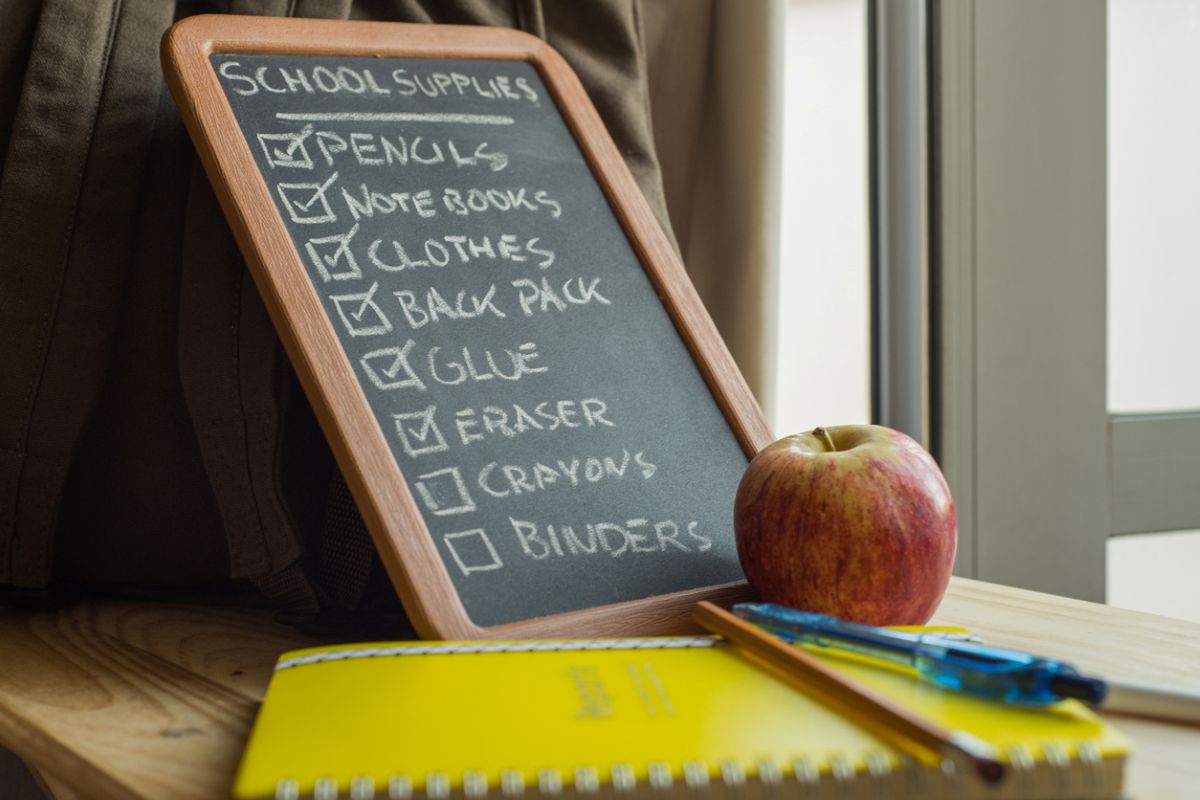
School’s out for the summer! Kids rejoice, and parents prepare. Whether your kids are attending summer school, participating in camps or summer programs, or simply spending more time at home, preparation helps keep them engaged, happy and, most importantly, safe. We’ve compiled the following quick guide with child safety tips and summer essentials to get you started. Take a look.
Summer school supply list
If your children are enrolled in summer school programs, there is likely a school supply list you should follow. In addition, they’ll need the following for a successful summer program experience:
- Backpack to carry everything.
- Reusable water bottle to stay hydrated.
- Sunscreen for any time outside.
- Hand sanitizer in case there isn’t a chance to wash hands before a snack or meal.
- Extra clothing in case of an accident or mess.
Tip: Label everything with your child’s full name, so you’re sure to get it back even if it ends up left behind on the playground.
Home learning space essentials
Some programs this summer might be online or have home components. A dedicated space helps with home learning. We recommend you set it up with a comfortable desk, chair and ample lighting. Stock it with basics like stationery and writing tools. Technology should also be part of the setup. Your home learning space will need access to online lessons, educational resources and communication tools.
Online safety
Your home learning space will likely include a computer, tablet or other device that gives your child access to the Internet. The Internet is a great tool for learners of all ages, but Internet and phone safety is an important thing to pay attention to. To understand just how much is at stake: by the time a child turns 13, ad tech companies have collected an average of 72 million data points on them — even though children under 13 legally can’t consent to data collection. Be sure to check out the Children’s Online Privacy Protection Act (COPPA) and know your rights as a parent. Enforced by the Federal Trade Commission, it helps protect the privacy of children under 13 online.
We recommend that you set clear boundaries around when, where and how your kids can access the Internet. You should also utilize parental controls and watch what your kids are viewing and doing online. And finally, talk openly with your kids about online behavior, digital etiquette and potential warning signs of unsafe activity. Be sure they feel comfortable talking to you about it if something seems off.
A safer home phone
Your home learning space will likely have a phone. While there is no right age to give a kid a smartphone, Ooma can help you delay it with MyPhone by Ooma. This VoIP home phone was designed specifically for kids while giving parents greater peace of mind. It’s got safety features built in, such as a VIP calling list, address-based 911, quiet hours, a call log and more. Kids can stay connected with friends, while parents maintain visibility through built-in safety and monitoring features.
Summer safety
Beyond summer programs, children often spend more time outdoors enjoying the freedom that summer brings. However, precautions are necessary to stay safe during the summer season.
Bike, scooter, skateboard and rollerblade safety
Wear a helmet. We can’t stress this enough. According to the American Academy of Pediatrics, helmets can reduce the risk of head injury by up to 85% and brain injury by 88% — for biking, scootering and skateboarding alike. And not just your child, but set an example and wear one yourself. Ensure that it fits properly and meets the Consumer Products Safety Commission (CPSC) safety standards. Your child’s bike and other riding gear should also be properly sized, and additional protective gear might be needed, especially for skateboards.
If your child is old enough and responsible enough to ride on the street, make sure they understand which side of the street to ride on and that they follow all traffic signs. If they don’t ride in the street, make sure they follow the proper trails and sidewalks.
Bug safety
Bugs are a part of summer. Most are harmless, but some can carry diseases that pose health risks, such as Lyme disease. In fact, the CDC reports that emergency room visits for tick bites in April 2026 were up more than 25% compared to the previous year — the highest rate since 2017. Wear bug spray with DEET to protect against mosquitoes and ticks. If your child will be in tall grass or wooded areas, protect them with long pants, long sleeves and a hat, and avoid bright colored clothing. Do a tick check once they’re done outside.
Water safety
Water safety requires constant attention, especially when young children are involved. Drowning is the leading cause of death in children ages 1 to 4, and perhaps surprisingly, 75% of child drowning deaths occur in private residential pools, not public ones. Never leave a child unattended in a body of water. Make sure swimming is done where a lifeguard is on duty or someone is designated to watch the water. If you have a private pool, use gates to control access. If you’re on a boat or participating in a water activity, wear a life jacket.
Older children and teens may be tempted to swim in ponds, creeks or lakes, but supervision and safety precautions remain important regardless of age.
Myth busted: You may have heard that kids should wait 30 minutes after eating before swimming. This one’s actually a myth — no major medical organization recommends it, and no drowning caused by swimming on a full stomach has ever been documented. The real risks are lack of supervision, fatigue, and inexperience.
Home emergency planning
Since more people will be home this summer, it’s a good time to create, update or review your home emergency preparedness plan. This is a plan that details what to do in the case of an emergency. Whether it’s a storm, fire, power outage or an injury, everyone in your house, even your kids should have access to a phone and reliable 911, know an exit plan and have emergency contact numbers and a designated meeting place. Having a plan like this in place can save valuable time during an emergency and help family members respond quickly and confidently.
Summer is all about learning, exploring and making memories. Whether your children are attending summer school, participating in summer programs or spending more time at home, having the right supply list, safety measures and emergency plans in place helps everyone enjoy the season with greater confidence.
From creating a home learning space to teaching online safety habits and preparing for unexpected emergencies, a little planning goes a long way. And with tools like MyPhone by Ooma, your kids have a safe way to communicate with friends and loved ones throughout the summer.
Alicia Kalnawat, brand marketing manager at Ooma, is an experienced marketing professional driving successful multi-channel campaigns, product launches and creative strategy. She joined Ooma in 2022, bringing hands-on experience from the commercial real estate and insurance industries.