The copper sunset is coming for your storage facility: here’s what to do
 | September 4, 2026 | 5 min read |
Key Points
- The copper sunset is putting POTS-dependent systems at self-storage facilities at risk, including gated entries, intercoms and emergency systems.
- AT&T stopped accepting installations, moves or changes to POTS lines in October 2025 and began physically retiring copper infrastructure in June 2026.
- The FCC requires providers to give 90 days’ notice before discontinuing POTS service, making it important for storage operators to act before a line goes dead.
- Storage facility operators should audit every line, prioritize life-safety systems, test compliant replacements, create a replacement timeline and document completed work.
- Ooma AirDial uses MultiPath technology to run over cellular and an internet connection at the same time while connecting to equipment that previously used a copper line.
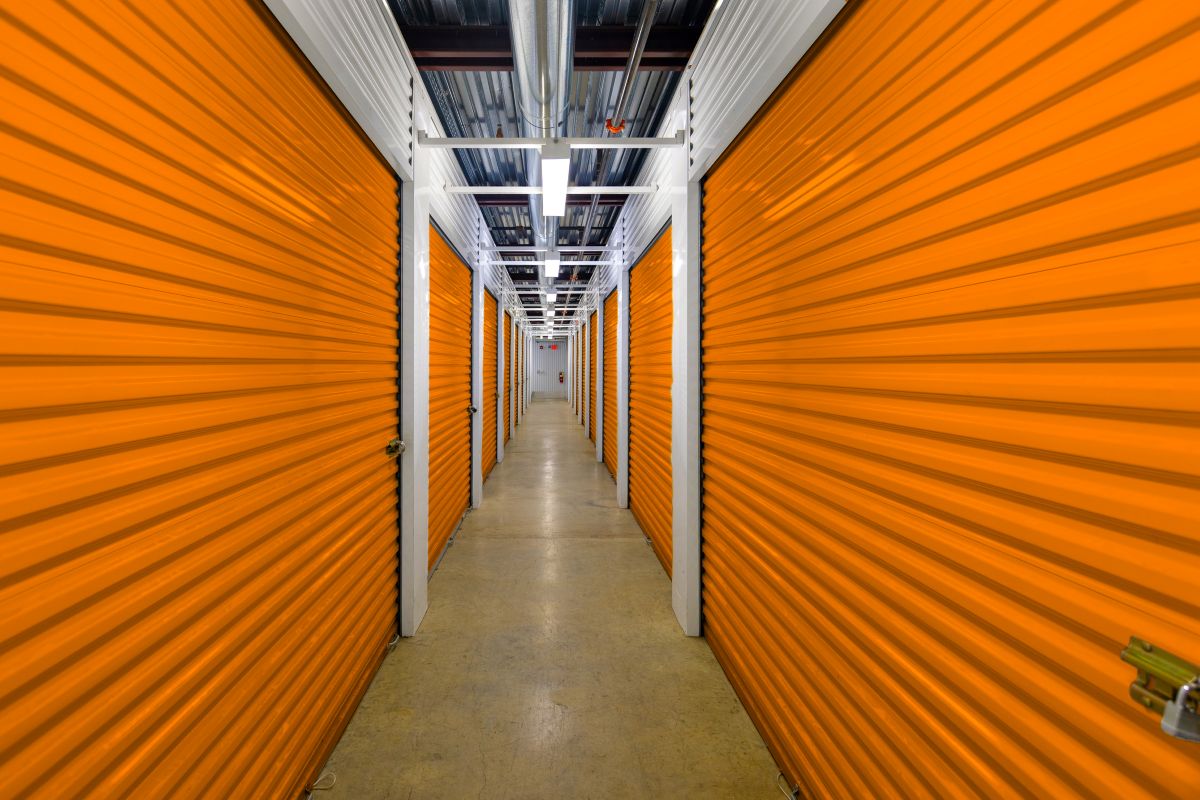
Imagine this: you own a self-storage facility and get a late-night call. A tenant has tried to access their secure storage space, but their gate code won’t work and the keypad is dead. You’ve got an upset customer. The next day you go to investigate, and the fire panel won’t dial out either. Now you’ve got an upset customer and you’re out of code and compliance and face potential liability.
If this is a real-life scenario for you, you probably got a notice about your outdated copper line service and missed it. The following explains what the copper sunset means for your business and how to fix it.
What is a POTS line?
Plain Old Telephone Service (POTS) is exactly what it sounds like: a traditional phone line that uses copper wires to transmit voice communication. It originated in 1876 (with some upgrades along the way) and is now being replaced by digital lines such as IP, cellular and VoIP systems. This is called the copper sunset: the gradual phase-out of traditional copper wire telecommunications.
The copper sunset timeline
That gradual phase-out has been accelerated, and AT&T is emerging as the leader in the copper shutdown. In December 2024, AT&T announced its goal of discontinuing POTS services by 2029. In October 2025, it stopped accepting installations, moves or changes to POTS lines. And as of June 2026, AT&T started physically retiring copper infrastructure. According to the FCC, there are currently 15 million POTS lines still active in the U.S. today, and there isn’t long to make the transition. Are you one of them?
How it affects self-storage facilities
While the transition has been in the works for some time and most companies have upgraded their voice communications, many still use POTS lines in other areas of their physical operations, especially self-storage facilities. Why? Because secure storage spaces get less foot traffic and are rarely renovated.
The U.S. self-storage industry is large, taking up an estimated 2.1 billion square feet of space. Each facility is usually a maze of long, isolated hallways lined with units. Customers also usually come in and out alone, with no staff or even other tenants nearby. These facilities need systems in place for easy access to help in an emergency. This includes the gate entry, an intercom system and emergency call boxes strategically placed. And they all need to work. If they don’t, one bad experience can send a customer directly to your competitor down the road. The following are common areas your self-storage facility might still rely on POTS:
Gated entries
If your business has a gated entry or keypad access, it’s likely running on a POTS system. Historically, POTS has been reliable for these sorts of entries, connecting to a landline for easy access and even working during power outages. They also typically don’t need upgrades and, in the past, have been affordable. Not anymore. With the aggressive decommissioning, the cost of these lines is skyrocketing, and carriers are discontinuing the service.
Intercoms
Many types of businesses use POTS intercom systems for things like loading dock and delivery entries, secured entrances, manufacturing floors, multi-tenant offices, high-security facilities and emergency programs. While these services used to cost less than $100, POTS line prices are now as much as $1,000 a month per line. And if you don’t pay attention to your notices and act, your system could be cut off, and then you have a real problem.
Emergency systems
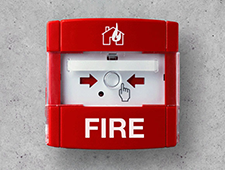
This is a big place where POTS is still used in businesses. A POTS line might be used in elevators for the help button or emergency phone, in stairwells for emergency exit communications, in fire alarms and panels, and as emergency call boxes in self-storage facilities. POTS has been used for emergency systems because it operates on a power system that’s independent from the building’s power source, keeping it reliable even during outages. They’re also virtually indestructible. But now the same issue persists – it could be discontinued.
Why upgrade your system
Making the switch to a code-compliant replacement is a serious consideration. The risks are too great not to. If you fail to switch over to an upgraded system, you will be stuck paying highly inflated monthly fees.
You also risk an emergency striking and your line being dead. You’re getting or going to get notices from your provider. The FCC requires a 90-day notice before a company can discontinue your POTS service. That’s a real notice, and your line will go dead in that timeline. Don’t ignore it and then realize too late that you have no service. Being caught without reliable service can cause failed inspections and negatively affect your insurance standing, not to mention upset customers.
5 steps to protect your secure storage facility
The threat of a discontinued POTS system is real. And if you aren’t paying attention to your provider’s notices, it could happen seemingly overnight, leaving you out of compliance and at risk. To avoid issues, it’s recommended to make the switch now. Here’s how:
- Audit every line: Identify every line in your business at every site. Sort out which are still POTS dependent and if they’re life-safety lines.
- Prioritize lines: Your life-safety lines, such as those that the fire panel and elevator phone rely on, should be made a priority. They will need to be replaced first with code-compliant replacements.
- Identify and test replacements: Not just any line will work to replace your POTS lines. Life-safety lines require certified equipment that meets code requirements. As you identify what you need, test it out before rolling it out to other lines.
- Create a replacement timeline: Replace your prioritized lines first, then check your notices and deadlines. Organize it so each line at each location is replaced in order of which ones have less time on their notices, ensuring you roll out replacements without a gap in service.
- Track your replacements: As you roll out each replacement, confirm it works and is compliant, then document it all. Keep records of installations, compliance certificates and test results so that you have them on hand for inspections and your insurance provider.
Better solutions exist
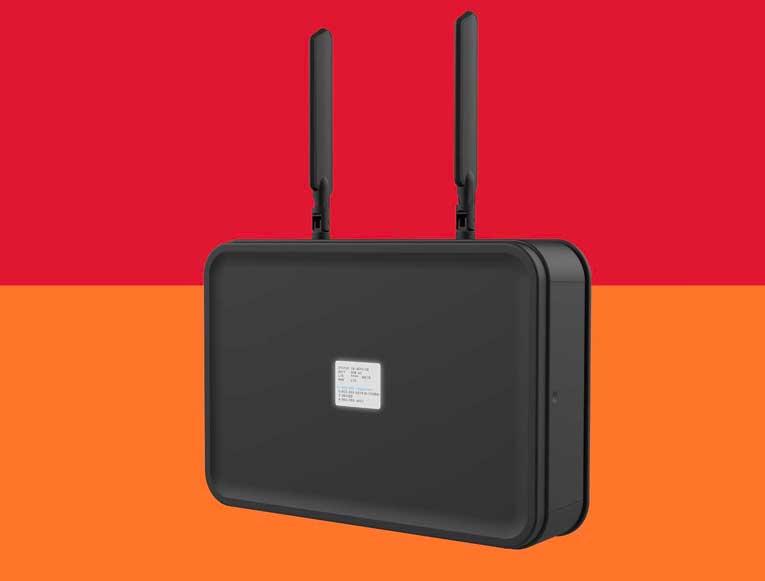
While it might feel daunting to replace your POTS lines, there are many POTS retirement resources and solutions available. For a normal POTS phone line, a regular VoIP service will work. For other lines like a gate entry system, intercom and emergency systems, Ooma AirDial, with its MultiPath technology, is a POTS replacement device that plugs right into where your old copper line connected. It mimics the old copper wire system and runs over both cellular and an internet connection at the same time, so it won’t go down when one of them does. This way, your equipment stays the same, and you’ve upgraded to a reliable service.
The copper sunset now has real dates attached to it. Don’t just wait for it to go dark. Be proactive and work to get your lines protected before they’re gone.

We’ll follow up within a business day.

We’ll help you analyze whether Ooma AirDial is a good solution for your needs.

A custom quote will be generated.
Tonya Hottmann is the director of marketing for Ooma AirDial. She has 20 years of experience in demand generation, growth marketing and product launches, including 10 years in the telecommunications industry.



Still using POTS lines?
See where they still support critical systems.
Call sales at:
866-902-6765
Thank you!
An Ooma AirDial Sales Representative will be in touch shortly.
866-839-5810



Check your POTS Line Readiness
Download the checklist to review your active POTS lines and connected systems.