POTS line replacement for nurse call systems
 | August 25, 2026 | 7 min read |
Key Points
- Not every nurse call system depends on POTS lines, and analog connections may support only part of a larger system.
- An audit can identify where copper phone lines remain and whether they serve primary, backup or escalation functions.
- A modern POTS replacement may allow compatible analog equipment to remain in service without replacing the entire nurse call platform.
- Facilities should confirm technical compatibility with the nurse call manufacturer or qualified vendor before changing the communication path.
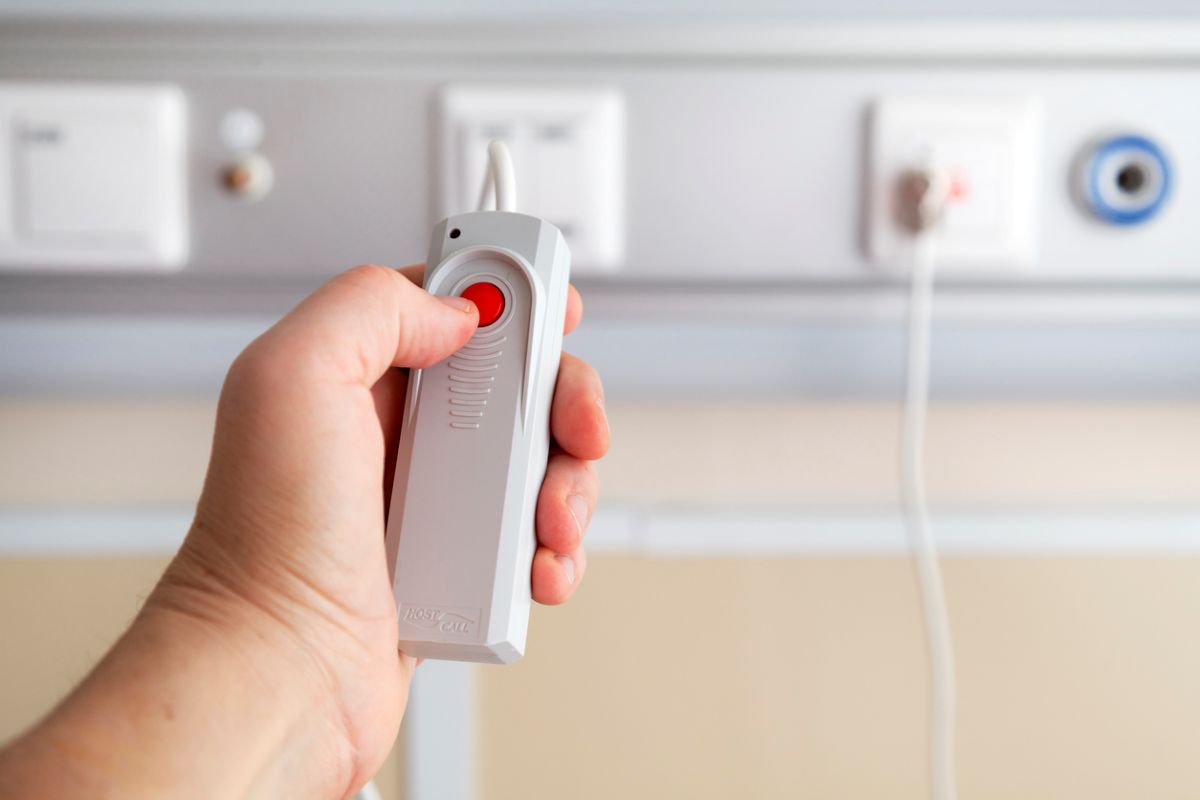
Nurse call systems are one of the most critical pieces of infrastructure in a senior living facility. When a resident presses a call button, the signal needs to reach staff reliably, every time. In some nurse call systems, though, parts of the setup may still rely on plain old telephone service (POTS) delivered over traditional copper lines. As legacy POTS lines become more expensive to maintain and harder to repair, telecom providers are increasingly retiring their copper networks and transitioning to fiber, wireless and satellite services.
That naturally raises an important question: what does this “copper sunset” mean for your nurse call system, and do you need to replace it?
The truth is, it depends on your system. Not every call nurse system relies on POTS, and even where analog dependencies exist, they’re rarely the whole platform. For example, you may have the original wiring connecting call stations, as well as a newer control hub that runs over the internet and sends alerts to staff on their mobile devices.
That’s why it’s worth taking a closer look at how dependent your system is on POTS. This guide will walk you through how to navigate the process, from understanding your current setup to figuring out a POTS line replacement for your nurse call system.
Why the communication path matters in senior living
First, let’s get clear on why this matters. Federal regulations require certified long-term care facilities to have a communication system that connects each resident, whether at the bedside or in a bathing or toilet area, directly to staff or a centralized work area (42 CFR 483.90(g)). Facilities must also keep their electrical and patient-care equipment in safe operating condition (42 CFR 483.90(d)(2)).
To be clear, simply having a POTS line somewhere in your system doesn’t mean you’re out of compliance. These regulations focus on what the system needs to do, rather than requiring a particular type of connectivity.
A bigger concern here is operational continuity. As telecom providers retire copper networks and reduce support for legacy POTS lines, nurse call systems that rely on those lines are increasingly at risk. Facilities that don’t know where POTS still exists in their setup could find themselves scrambling to upgrade their connections after a sudden POTS shutdown notice rather than planning the transition on their own terms.
Conducting an audit now gives you a clearer picture of where you’re dependent on POTS, so you can have more time to decide what comes next.
See how one senior care operator handled a 45-day POTS shutdown notice with Ooma AirDial.
How to audit the nurse call communication path before upgrading
Before changing anything, take the time to map out how your call nurse system currently communicates. A simple audit can help you determine whether you need to simply upgrade the connection or whether the broader nurse call platform would need to be replaced.
1. Confirm your nurse call system type
Nurse call systems generally fall into four categories:
- Hardwired: Uses physical wiring throughout the facility to connect call stations, panels and staff devices. This was the primary type of nurse call system until the 1990s, though newer facilities can still use hardwired setups.
- Wireless: Relies on radio frequency or Wi-Fi signals instead of a fixed wiring infrastructure. Wireless nurse call systems emerged in the mid-1990s and became more widespread in the 2000s.
- IP-based: Runs over the facility’s IP data network (the same infrastructure used for Wi-Fi, connected devices and other digital systems), rather than a dedicated call-system wiring or phone line. The first IP-based nurse call system emerged in 2008, with adoption growing from there.
- Hybrid: Combines elements of the above, such as hardwired call stations paired with a wireless or IP-based notification layer. This is common in older facilities that’ve upgraded their systems over time, leaving multiple generations of technology in place.
Knowing which category you’re working with helps you understand where analog dependencies are likely to show up.
2. Check your existing documentation for POTS-dependent devices
Start with any current system documentation or equipment logs that identify devices using POTS lines. If those records aren’t available or up to date, blueprints and construction documents can provide a useful starting point. Use them to identify potential copper dependencies, then physically verify what is still in use and update your records.
3. Trace and inventory any remaining dependencies
If no log exists, you’ll need to inventory the actual connections by hand. You can do this by checking each electrical or communication closet, identifying where copper phone lines are located and which devices they lead to. This is also a good time to document whether each connection is primary, backup or escalation-only.
Common touchpoints include backup dialers, outbound notification modules, gateways and connections to remote monitoring destinations.
4. Confirm the technical requirements with the current manufacturer or vendor
Work with the manufacturer or a qualified vendor of your existing nurse call system to confirm the analog electrical characteristics, signaling protocol, dialing behavior, power requirements and backup connectivity for each dependency you’ve identified. These details matter because replacing a POTS line with a modern connection isn’t necessarily a one-for-one swap. The replacement needs to support the way your existing equipment actually communicates.
5. Test the existing communication path end to end
Finally, run a controlled end-to-end test of your current nurse call communication path with the appropriate teams, which may include IT, facilities, clinical operations, the nurse call vendor, telecom provider and so on. The goal is to confirm that the system and communication path work as expected today and that the POTS line is the only component that needs to change.
If the platform has parts that are hard to find, keeps failing or your vendor confirms it won’t work with a modern connection, it may be time to consider a full replacement. Otherwise, if the platform still works well and your vendor confirms it’s compatible, you likely just need to modernize the POTS connection.
How a modern POTS replacement can improve visibility and resilience
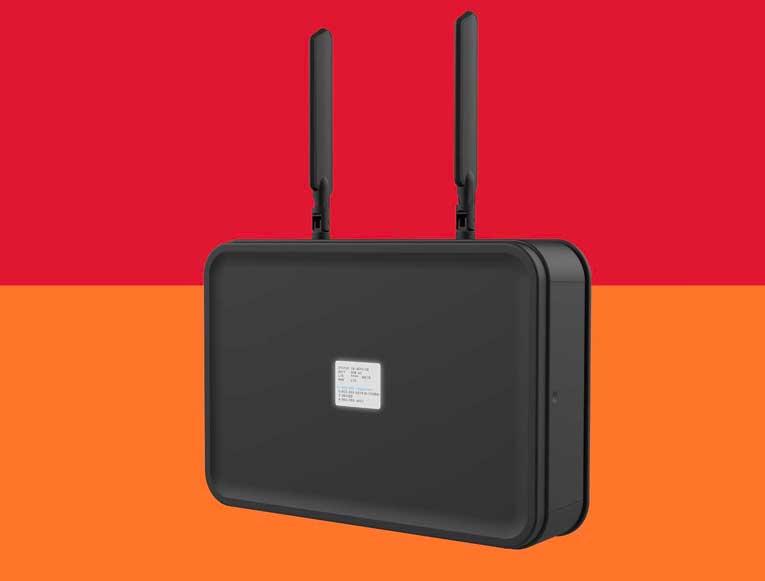
Once you know exactly where POTS lives in your system, you can address that connection specifically instead of replacing the entire platform. This is where a POTS replacement device like Ooma® AirDial comes in.
AirDial connects to your existing analog equipment, but instead of routing calls over copper, it uses an LTE cellular signal or an Ethernet connection to carry that traffic. Your devices keep working the way they always have; the connection underneath it just changes.
AirDial also includes Remote Device Management, which gives you visibility into device status and line health from a central dashboard rather than relying on someone on-site to check each connection.
Since compatibility depends on the specific nurse call platform and its components, be sure to confirm fit with your vendor before making any changes. You can see the full breakdown of supported protocols, power requirements and connectivity options in the AirDial technical specifications.
Upgrade from POTS line dependency with Ooma AirDial
POTS replacement for your healthcare facility can help you move away from aging copper-line infrastructure without necessarily replacing the equipment that still depends on it. Start by auditing your nurse call communication path, identifying any POTS-dependent connections and determining where POTS line replacement may be needed.
If you’ve identified a POTS-dependent connection in your facility and want a turnkey solution to digitally upgrade your POTS lines, contact us to discuss how AirDial can help keep your existing equipment connected.
FAQs on POTS line replacement for call nurse systems
Do all nurse call systems use POTS lines?
No. Not all nurse call systems use POTS lines. Depending on the system, communication may run over traditional phone lines, wireless connections, IP networks or a combination of technologies. Older systems are more likely to rely on POTS, while newer systems often use IP-based or wireless communication.
Does a senior living facility need to replace the whole nurse call system to replace POTS?
Not always. If the platform is still functional and confirmed compatible with a modern replacement path, you may only need to modernize the analog connection.
How do I know if my nurse call system depends on POTS?
Check for existing documentation on analog devices and dependency first. If none exists, trace your copper phone lines from each communication or electrical closet to see what they connect to and confirm the details with your system vendor.
What happens if I don’t replace an aging POTS line before it’s shut off?
If a copper line supporting a component of your nurse call system goes down unexpectedly, that path stops working until it’s replaced, which can leave a gap in visibility or escalation until the issue is resolved.

We’ll follow up within a business day.

We’ll help you analyze whether Ooma AirDial is a good solution for your needs.

A custom quote will be generated.
Tonya Hottmann is the director of marketing for Ooma AirDial. She has 20 years of experience in demand generation, growth marketing and product launches, including 10 years in the telecommunications industry.



Still using POTS lines?
See where they still support critical systems.
Call sales at:
866-902-6765
Thank you!
An Ooma AirDial Sales Representative will be in touch shortly.
866-839-5810



Check your POTS Line Readiness
Download the checklist to review your active POTS lines and connected systems.