

Frost & Sullivan recognize Ooma AirDial in 2026 for POTS replacement leadership
 | May 19, 2026 | 5 min read |

Across North America, organizations are reaching a tipping point in the transition away from legacy analog communications infrastructure.
As carriers accelerate copper network retirement initiatives and continue raising the cost of maintaining traditional POTS (Plain Old Telephone Service) lines, businesses and public-sector organizations are being forced to rethink how they support the critical systems that still rely on analog connectivity.
For many organizations, this is no longer just a telecom modernization project. It has become an operational continuity, compliance, and risk-management issue.
That shift is one reason Frost & Sullivan awarded Ooma its 2026 North American Competitive Strategy Leadership Recognition in the POTS replacement industry.
The recognition reflects a broader market reality: organizations need practical, scalable ways to modernize critical infrastructure without increasing operational complexity or compromising reliability.
Read the reportWe would love to get to know you and your business. Please complete our short form to download the PDF.
Why POTS replacement has become a business-critical priority
Many organizations still rely on analog lines to support essential systems such as:
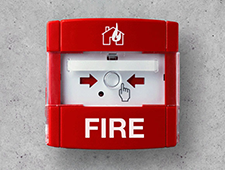
- Fire alarm panels
- Elevator phones
- Emergency call boxes
- Security systems
- Fax machines
- Point-of-sale devices
While these systems often operate quietly in the background, they remain essential to daily operations, regulatory compliance, and life-safety requirements.
The challenge is that the infrastructure supporting them is rapidly disappearing.
According to Frost & Sullivan, “most organizations still retain pockets of legacy communications technology that introduce outsized cost, risk, and complexity.”
At the same time, many organizations underestimate how difficult POTS replacement projects can become when they rely on fragmented solutions involving separate hardware vendors, unmanaged connectivity providers, and disconnected monitoring systems.
As enterprises manage hundreds or even thousands of distributed locations, troubleshooting analog-dependent systems manually becomes increasingly unsustainable. Limited IT resources, rising carrier costs, and shrinking support availability are all contributing to growing migration pressure.
Frost & Sullivan’s research suggests this transition is accelerating quickly. The firm found that 50% of organizations surveyed in 2025 plan to increase investment in next-generation solutions to replace specialty POTS and analog lines by 2028.
The finding signals that the market is moving beyond early experimentation and into broader infrastructure modernization initiatives.
Why integrated POTS replacement solutions matter
Historically, many POTS replacement projects focused narrowly on replacing the analog line itself. But organizations are increasingly discovering that connectivity is only one part of the challenge.
Operational visibility, centralized management, compliance support, and long-term scalability have become equally important.
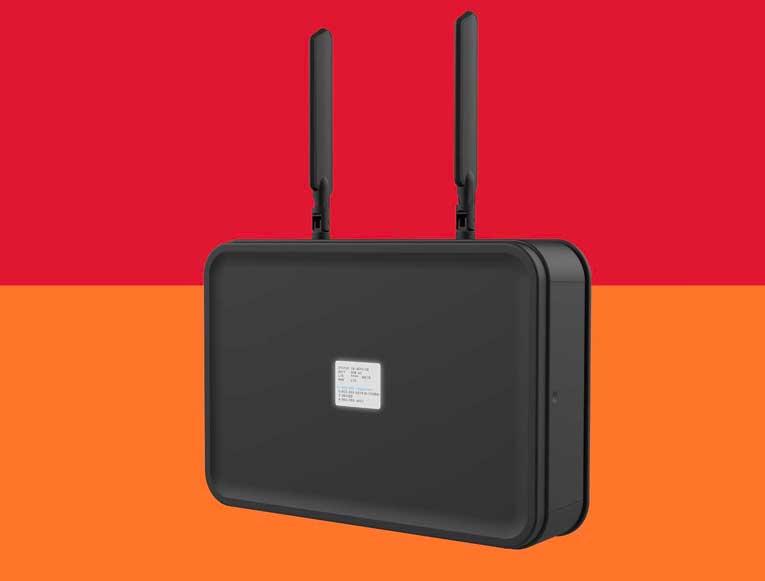
That shift is reflected in Frost & Sullivan’s recognition of Ooma AirDial®, which was designed specifically for mission-critical analog replacement use cases.
“Ooma AirDial offers a powerful and practical path for organizations transitioning away from POTS lines,” said Elka Popova, vice president of connected work research at Frost & Sullivan. “Built specifically to eliminate the limitations of analog connectivity, the solution is easy to implement and manage, cost-effective at scale, and delivers the security, compliance, and functional robustness required to support critical devices.”
The report also noted that AirDial addresses a segment often underserved by traditional IP telephony and UCaaS platforms: organizations supporting specialty analog systems that require high reliability, security, and compliance.
Why fragmented deployments create operational risk
One of the biggest challenges organizations face during POTS migration is vendor fragmentation.
Many replacement strategies require businesses to combine standalone hardware, separate connectivity services, third-party voice providers, and disconnected management platforms. While these approaches may appear cost-effective initially, they often create long-term operational burdens and visibility gaps.
For organizations managing distributed environments such as retail chains, healthcare facilities, schools, property management portfolios, and multi-site enterprises, that complexity can quickly scale.
AirDial takes a different approach and integrates the following into a single robust solution:
- Hardware
- Managed connectivity
- Voice services
- Remote monitoring
- Centralized administration
Frost & Sullivan identified this tightly integrated model as a key differentiator, noting that Ooma “has demonstrated disciplined execution by developing a tightly integrated solution that combines hardware, connectivity, voice service, and centralized management.”
The report further stated that AirDial’s turnkey approach helps minimize the coordination burden organizations often encounter when assembling solutions from multiple providers.
Visibility and manageability should be strategic requirements
As organizations modernize communications infrastructure, centralized visibility is becoming increasingly important.
Many IT and operations teams still lack clear insight into where legacy POTS lines exist, which systems depend on them, and how those systems are performing across locations.
AirDial helps address those challenges through centralized remote device management capabilities that include:
- Real-time alerts
- Historical analytics
- Detailed call logging
- Monitoring APIs
- Bulk provisioning tools
These capabilities help organizations improve operational oversight while reducing the manual effort required to support large-scale deployments.
For enterprises with distributed environments, centralized management can also help reduce downtime, simplify troubleshooting, and improve long-term scalability.
Reliability and compliance cannot be compromised for life-safety systems
For organizations replacing legacy lines connected to fire alarms, elevator phones, healthcare systems, and emergency communications infrastructure, reliability is non-negotiable.
Even short disruptions can create compliance risks and operational exposure.
Frost & Sullivan highlighted Ooma’s MultiPath Technology, which supports simultaneous LTE wireless and wired Ethernet connectivity to help reduce the likelihood of service interruptions.
According to the report, this active-active connectivity approach goes beyond traditional failover models and is particularly important for applications where continuous service availability is essential.
The report also recognized AirDial’s emphasis on security, privacy, and regulatory compliance throughout the platform’s design.
Understanding POTS exposure before it becomes a problem
Another challenge organizations face is simply understanding where they still rely on POTS infrastructure and how urgently migration may be required.
To help address that visibility gap, Ooma recently launched POTSTracker.com, a platform designed to help organizations monitor POTS discontinuance activity and assess migration urgency.
The platform consolidates FCC filings and provides tools including:
- Interactive dashboards
- Geographic heatmaps
- Risk scoring
- POTS line audits
- Number-level lookups
As copper network retirement accelerates, organizations that proactively assess their POTS exposure will likely be better positioned to avoid unexpected service disruptions, rising costs, and rushed migration timelines.
A Market Transition That Is Still Accelerating
The broader shift away from legacy analog infrastructure is still in its early stages, but the pace is increasing rapidly.
Organizations delaying migration may face growing operational risk as carrier support declines and the cost of maintaining legacy lines continues rising.
Frost & Sullivan concluded that AirDial reflects “Ooma’s customer-oriented approach to innovation, emphasizing simplified deployment, operational reliability, and cost control.”
The report also highlighted the platform’s combination of “comprehensive functionality, competitive pricing, and strong security and compliance characteristics with streamlined installation and centralized remote management.”
As organizations continue modernizing communications environments to support cloud services, distributed operations, and future digital transformation initiatives, the need for scalable and centrally managed POTS replacement solutions will only continue to grow.

We’ll follow up within a business day.

We’ll help you analyze whether Ooma AirDial is a good solution for your needs.

A custom quote will be generated.
Tonya Hottmann is the director of marketing for Ooma AirDial. She has 20 years of experience in demand generation, growth marketing and product launches, including 10 years in the telecommunications industry.



Still using POTS lines?
See where they still support critical systems.
Call sales at:
866-902-6765
Thank you!
An Ooma AirDial Sales Representative will be in touch shortly.
866-839-5810



Check your POTS Line Readiness
Download the checklist to review your active POTS lines and connected systems.