The minimalist lifestyle ushers in the return of the home phone
 | December 30, 2025 | 4 min read |
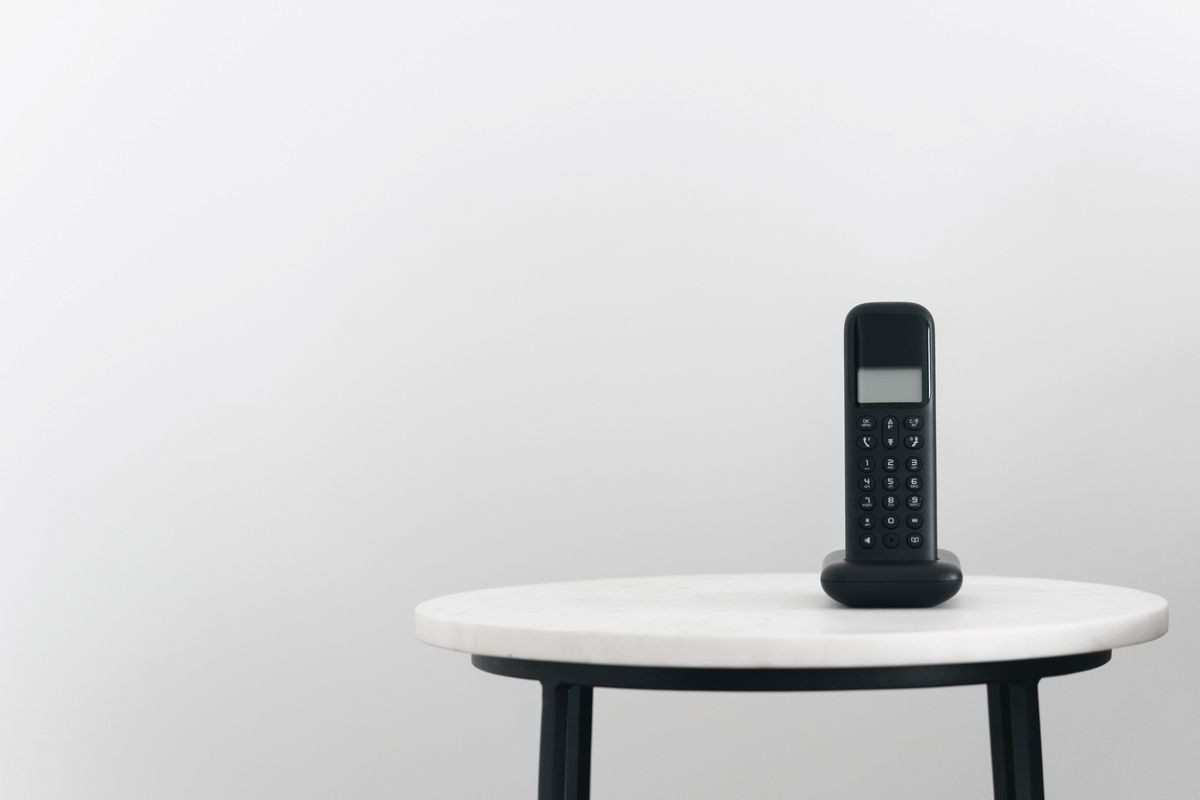
Think landline home phones are sooo last century? Think again. Enter minimalism: the practice of intentional living and keeping only what serves a purpose in your life. When most people think of minimalism, they picture sparse spaces and empty closets, and while that’s a bit exaggerated, there is some truth there.
Clean home designs with functional pieces and capsule wardrobes that can be mixed and matched to create outfits with fewer items are a core part of minimalism. But minimalism isn’t just about physical possessions. It’s also about our routines and how we communicate. Digital minimalism and the landline phone also hold a place in the minimalist lifestyle. Let’s explore.
What is minimalism?
Minimalism is the act of living intentionally with only what serves us and letting go of what doesn’t. It’s a cultural shift towards living without overaccumulation – and not just of objects. It means keeping what has a clear purpose and meaning to us and eliminating things that cause stress and noise. Contrary to popular belief, it’s less about living with fewer possessions and more about living with only what holds true value to you. It’s about learning to let go of what isn’t serving you.
The rise of minimalism
The world is cluttered, noisy, and constantly demands decisions, with the ever-present threat of fear of missing out (FOMO). This has driven a movement in which people intentionally cut down and cut back to create a sense of calm and clarity. With fewer distractions and less noise comes less stress and a simple joy of missing out (JOMO). Many times, the easiest place to start is the home.
Minimalism in the home
A minimalist home is what most people think of when they hear minimalism. It’s a visual entry point into the minimalist lifestyle. Yes, it’s a home with fewer objects, but it makes room for truly functional pieces. Think functional furniture, art and décor that sparks joy and clean lines that calm. It’s where spaces are created with purpose. A minimalist home intentionally uses its space and the objects within to create a sense of peace, clarity and natural flow.
Minimalism beyond the home
Beyond the home, other areas of life can be minimal too. Enter capsule wardrobes. It consists of 30 to 85 pieces that can be mixed and matched, compared with the average person’s 148 pieces of clothing. These capsule wardrobes reduce your outfit options from an average of 135 possible outfits to 30 to 100 options. The clothing pieces here are timeless, sensible and versatile. They mix and match, taking the stress out of too many daily choices.
You can apply this same intention to your routines and your technology, too, not just your possessions.
Digital minimalism
Minimalism can extend to the technology world as well. Our digital devices and services are one place where we’re constantly overloaded. The stress of too many apps, notifications and constant connectivity can be overwhelming. It makes it easy to blur the lines between urgent and excessive communication. Not to mention the habit of endless scrolling – an easy habit to fall into. You can reduce digital noise by taking a digital detox, or you can take it a step further and simplify life for good.
Fewer notifications mean less stress. It’s the psychology of simplicity. There are almost too many functions packed into each device we own. To cut down, you should ask which devices truly belong in your daily life and which you can do without to reduce noise. Each digital piece you own should earn its spot with intention, not convenience.
Landlines and the minimalism movement
Enter the home phone. While traditional landline phones with copper wires are a dying breed, modern landline alternative phones, such as Ooma home phone service, which uses voice over internet protocol (VoIP), align with the minimalist lifestyle. It takes your communication off the screen and lets you separate it from mobile devices. No distracting apps, no news feeds and no notifications. It’s strictly communication on the best minimalist phone without multitasking to support focus and presence. It does one job and one job well – allows you to communicate without distraction.
Modern VoIP home phone in the modern home
For homes that want dependable calling without the need for personal devices, using a modern home phone service like Ooma basic home phone, which is reliable and free – you just pay taxes and applicable fees (per your location) – is a minimalist phone alternative. Here are some benefits:
- Sets clear boundaries between work and home
- Eliminates spam and mobile dead zones
- Keeps technology in the background
- Reduces smartphone dependence
- Decreases technology noise, clutter and stress from apps and notifications
Mobile phone alternatives
While a home phone fits in with digital minimalism, you can keep a mobile phone and still simplify life. The best minimalist phone is a dumb phone with basic features, such as a black-and-white screen, an easy menu and buttons, basic navigation and simple utilities. The other alternative is to install an app that dumbs down your smartphone and turns it into one of the best minimalist phones – as long as you can resist the urge to convert it back to a smartphone.
Minimalism and the future
As the world and technology continue to evolve, it becomes more important for our mental health to intentionally create clarity and simplicity in our lives. Choosing technology that reduces friction instead of adding to it is a big part of the minimalism concept.
A modern landline alternative or VoIP phone aligns with this desire for a calmer, more intentional means of communication and fits in with a modern home better than you might think. To take the next step in your minimalism journey, contact Ooma today to get started with free basic home phone service that offers reliable, safe, crystal-clear calling with less scrolling. All you pay are applicable taxes and fees for your area.


Designed with
safety in mind.

S
A
F
E
Alicia Kalnawat, brand marketing manager at Ooma, is an experienced marketing professional driving successful multi-channel campaigns, product launches and creative strategy. She joined Ooma in 2022, bringing hands-on experience from the commercial real estate and insurance industries.