The joy of missing out (JOMO): Why simplicity beats FOMO
 | December 15, 2025 | 6 min read |

Imagine this: You’re walking through your winter garden, savoring a cup of herbal tea on a sunny morning, surveying the raised beds from which you’ll harvest delicious home-grown vegetables for soups and stews. You’re living in the moment, finding joy in simply being outdoors on such a beautiful day.
From somewhere deep in the house, a cell phone pings. A family member shouts about a breaking news item on their laptop. But in this moment, you’re immune from FOMO.
This scenario illustrates why JOMO—the joy of missing out—is better for your mental health than its nail-biting cousin, FOMO (fear of missing out). With FOMO, every missed call or text or scroll heralds some crucial bit of information you need to know now. It breeds anxiety and prevents you from finding peace.
JOMO, by contrast, feeds your joy, as the name implies. Whereas FOMO demands you be there for everything as it happens, in today’s digital reality, being present for the live event is rarely essential. There will be a replay on YouTube, or the workshop will be recorded and uploaded to the presenter’s site. You don’t need to sacrifice your peace of mind for FOMO.
Former First Lady Michelle Obama exemplifies what JOMO looks like as a lived experience. She chose to skip a few major political events while she was on an extended vacation. Now in her sixties, she’s fully steeped in JOMO and serves as a role model for younger women (and men) who want to prioritize self-care without worry or apology. It’s an uplifting message for many people who, minus someone to emulate, may find the joy of missing out to be a foreign concept.
Our devices, of course, are designed to keep us always “on”. This works for electronics, but for humans, not so much. We require downtime: time to watch the garden grow, read a book offline, play with the dog, and just be. Some of the greatest theories and inventions have come into existence when their creators were wandering or wondering, their minds relaxed. For instance, young Einstein imagined what it would be like to catch up to a light beam and see it from his own perspective. This daydream led to his Theory of Special Relativity.
He might never have given the world this gift if he’d been continually distracted by cat videos, cute as they are, or endlessly responding to notifications. Creativity favors a calm, open mind.
From FOMO to JOMO
Fear of missing out, meaning anxiety created by thinking you’re not participating in events or activities your friends are, developed with the rise of social media as people began curating every aspect of their lives. Paradoxically, while social media enables us to be more connected than ever before, it has simultaneously increased loneliness and FOMO. You might not even want to attend that party, for instance, because you’re exhausted and want to lie on the coach and listen to music, but FOMO can compel you to go.
Here’s how to jump into JOMO and find your joy:
- Unplug to reconnect. You’ve no doubt heard the term, “digital detox.” By periodically turning your devices off, even for a brief time, you’ll reset physically and mentally. All that time spent on a screen, being bombarded by blue light, negatively affects our bodies and sleep cycle, creating eyestrain as well as FOMO. Before you unplug, make a list of activities you can do instead. A digital detox is a wonderful family bonding opportunity. Maybe you’ll want to take a trip to the library or your local bookstore with your children and have them pick out books to read during “no screen” time. If you like to cook, perhaps everyone can make a meal together—with fresh produce from that garden you planted in the yard.
- Discover real time, offline opportunities for connection. A local café or community center might offer gatherings on various topics, such as conversational Italian or what to know about aging in place. Explore intriguing avenues you may have walked past or heard about but felt too busy to look into—until now.
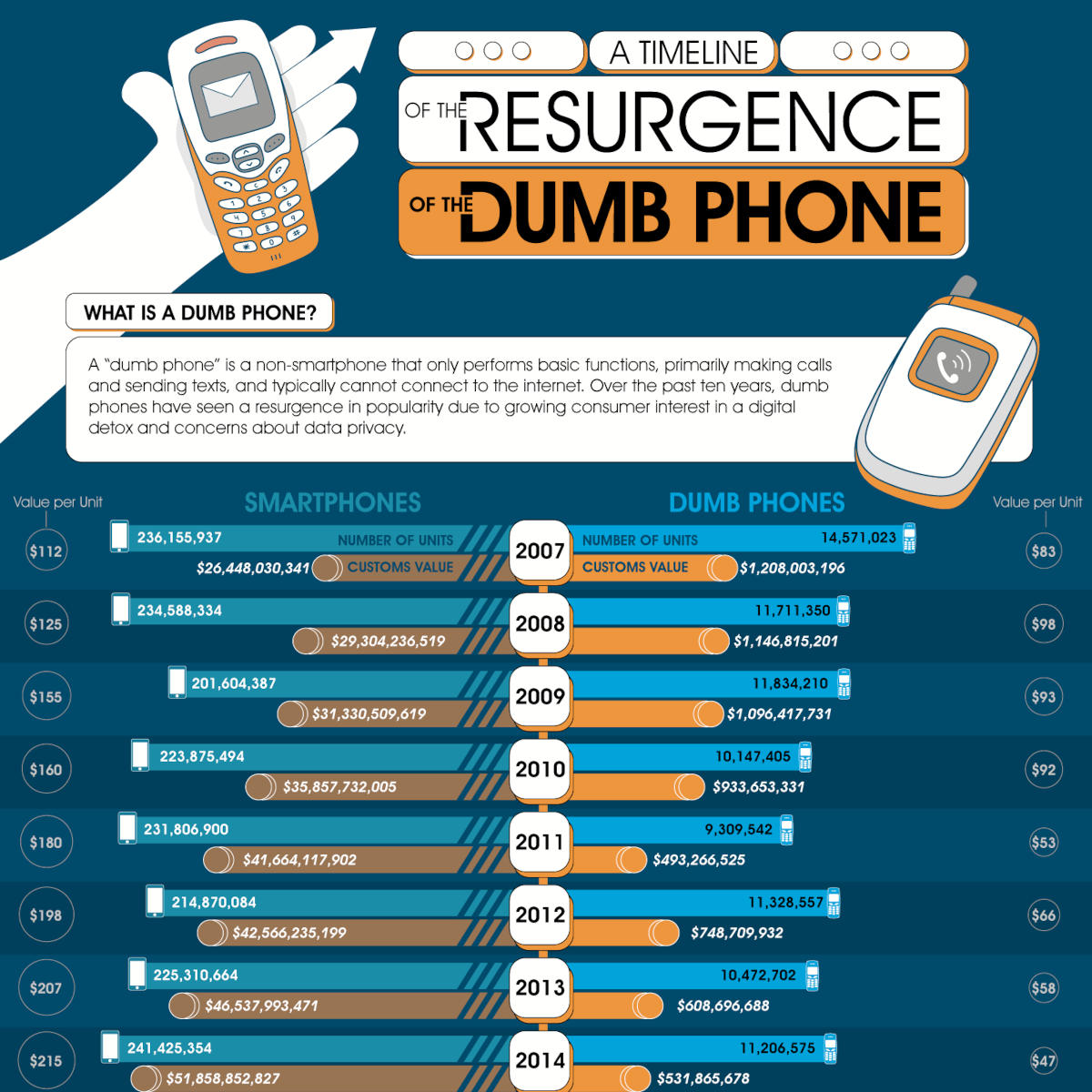
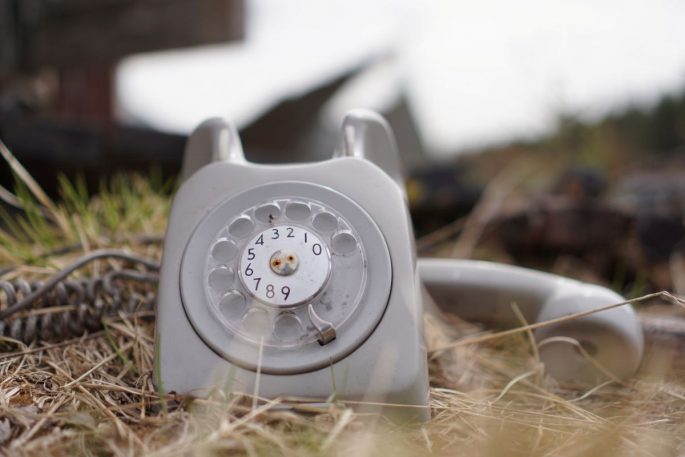
- Get a dumb phone. We don’t mean this literally, but practically. A VoIP landline is a simple dumb phone that’s actually pretty smart, because it doesn’t require an internet connection, or have social media feeds, or gaming apps, or constant notifications. It’s just a safe, easy, stress-free way to connect! Say goodbye to doom scrolling and hello to meaningful conversations with those who matter to you. You still stay connected in all the important ways: VoIP home phones from Ooma include caller ID, call logs, and contact lists. Plus, Ooma VoIP service provides crystal-clear call quality, as good as or even better than traditional landlines. You can also block spam calls, and choose to share the number only with those you truly want to talk with. Best of all, a “dumb phone” will help reduce phone anxiety, which has mushroomed among younger generations who understand texting but often experience anxiety around phone conversations.
- Set better boundaries. As Michelle Obama demonstrates, when you know and honor the value of your time, you can choose to say “no” without guilt or FOMO. Better boundaries make finding peace easier, because you feel the joy of missing out, not the angst that FOMO creates.
- Take a walk in nature. Nature is the exact opposite of FOMO: trees are connected through their roots, which is a pretty good metaphor for people, too.
Connecting at a core level allows authentic friendships to form. With analog friends in your corner, whatever you see curated on social media will probably seem insignificant by comparison. That’s the simplicity and the heart of JOMO.
Oh—it looks like you’ve already completed the survey! Thanks for participating.
Thank you!


Designed with
safety in mind.

S
A
F
E
Alicia Kalnawat, brand marketing manager at Ooma, is an experienced marketing professional driving successful multi-channel campaigns, product launches and creative strategy. She joined Ooma in 2022, bringing hands-on experience from the commercial real estate and insurance industries.