



Beyond the Blue Light: Modernizing emergency systems for a connected campus
 | December 22, 2025 | 4 min read |
Key Points
- Blue light boxes remain an important deterrent and safety signal on campuses
- Rising copper line costs are the primary reason universities are removing them
- POTS replacement modernizes emergency systems without sacrificing visibility or compliance
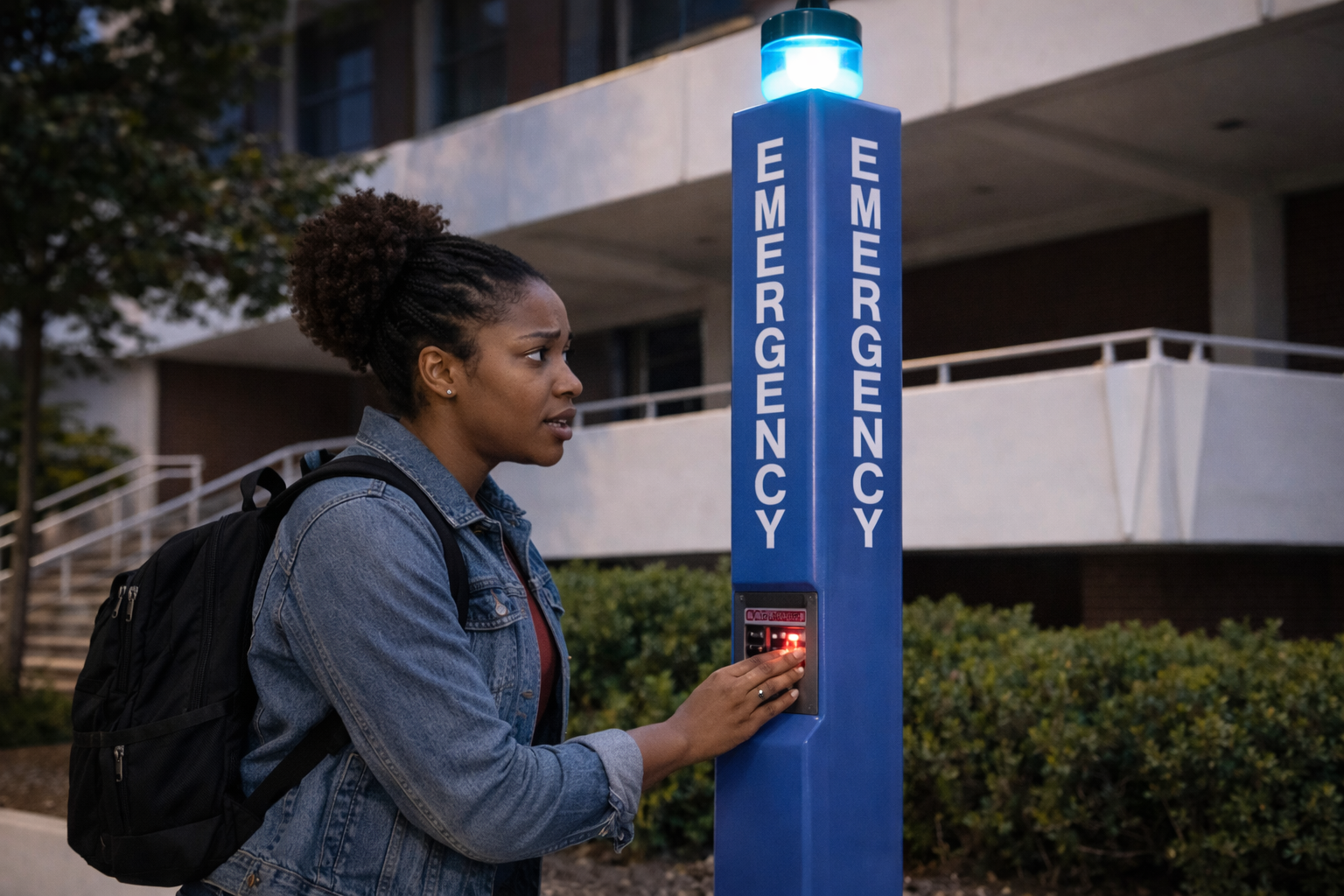
One of the most recognizable safety features on college campuses across the country is the blue light phone—an emergency call box housed in a tall pillar with a glowing blue beacon at the top. These systems have been a fixture for decades, but in recent years, universities have begun to question their sustainability.
High maintenance costs have led to some universities to remove them. How did we get here, and what can universities do to make sure they persist while revitalizing their connected campus? Let’s take a look.
The history of the blue light phones
Jeanne Clery was tragically murdered in her dorm at Lehigh University in 1986. Her parents soon became convinced their daughter’s death was the result of lackluster security at the university, which the university denied. They soon sued the university claiming that there was a rising crime rate on campus that had been underreported, and that if their daughter had access to such information she would never have enrolled. They were awarded $2 million.
In 1990, Congress passed the Clery Act, also known as the Jeanne Clery Disclosure of Campus Security Policy and Campus Crime Statistics Act. Essentially, the act requires all colleges and universities that participate in federal financial aid programs to keep and disclose information about crime on or near their campus.
While the Clery Act does not mandate the use of blue light emergency phones specifically, it helped usher in an era of heightened accountability around campus safety infrastructure.
How blue light boxes work
Blue light phones are designed to be simple and immediately accessible. Typically, they consist of a tall pillar with a blue beacon at the top, a prominent emergency button, and an intercom that connects directly to campus or local emergency services.
If a student or faculty member was in danger, they would just need to run to the blue light box and press the red button. The blue light on top should flash, and the intercom will be connected to an emergency professional.
Newer blue light boxes have expanded capabilities, including wide-angle video cameras and AI-powered facial recognition.
Blue light phones are often powered by old copper phone lines, which is where the problems start.
Why traditional blue light boxes are becoming unsustainable
The biggest problem with blue light boxes is that they’re expensive to maintain. The two largest expenses are labor to maintain them, and the rising cost of copper phone lines. In 2019, University of Wisconsin Police Department spokesperson Marc Lovicott said copper phone lines cost the university a pretty penny.
“The emergency phones are all old copper wire landline phones,” Lovicott told the Badger Herald. “Because it’s outdated technology, we have to pay the phone company a premium price for those lines.”
The core issue isn’t the blue light boxes themselves—it’s the aging infrastructure behind them.
These old copper lines, also known as Plain Old Telephone Service lines (aka POTS lines), not only power blue light phones, but other critical infrastructure like elevator phones, fire alarms, security systems and more. This makes the aging of POTS lines on campus a major concern.
As telecom providers phase out POTS infrastructure, campuses that rely on copper lines for emergency systems face increased costs, higher failure risk, and long-term reliability issues.
One solution for campuses has been to remove these blue light boxes. In 2017, the University of Nebraska announced it would reduce its 100 blue light boxes down to two. This, as you may expect, is not a popular decision.
Blue light boxes are popular with students and parents. In 2019, hundreds of University of Florida students protested after a decision was made not to install blue light boxes near its fraternities. Rice University found its crime rate plummet, nearly 70 percent a year after installing 80 blue light boxes despite the surrounding city’s crime rate remaining steady.
Even if their use is low, blue light boxes can deter crime. It’s the same principle behind having security signs on your front yard, but for your connected campus.
Modernizing campus emergency systems with POTS replacement
POTS replacement allows campuses to significantly reduce ongoing maintenance costs while improving reliability and future-proofing critical safety systems.
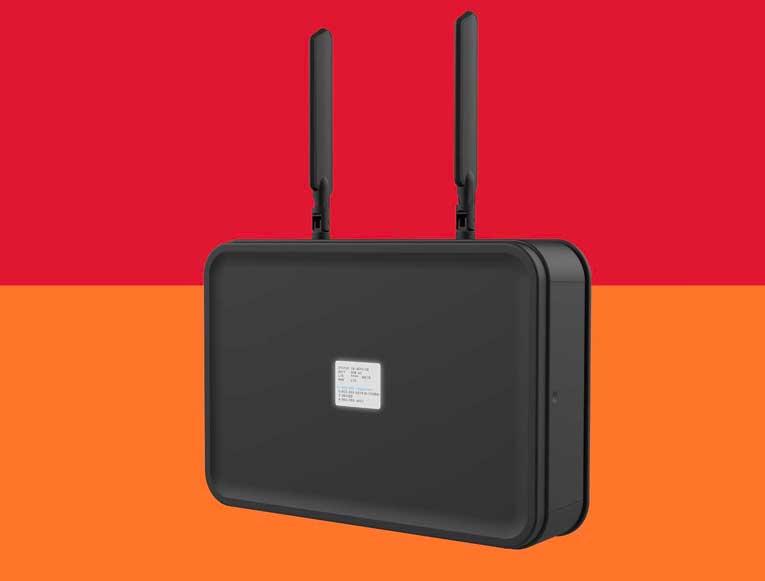
With solutions like Ooma AirDial, you can convert those old copper phone lines with a modern, managed connection. This essentially allows your older infrastructure to take advantage of fast, reliable modern connectivity.
And of course, POTS replacement for colleges and universities goes beyond just blue light boxes, and can also be used to modernize your fire alarm systems, elevator phones and more. This also has the benefit of keeping campuses compliant with critical guidelines and laws.
If you’d like to find out more about how Ooma AirDial can solve your POTS replacement woes on campus, modernizing your blue light boxes, contacta member of our team to learn more.
FAQs
Are blue light phones still required on college campuses?
No, but they remain a widely trusted and visible safety measure for students and parents.
Why are copper phone lines being phased out?
Telecom providers are decommissioning copper lines due to high maintenance costs and outdated infrastructure.

We’ll follow up within a business day.

We’ll help you analyze whether Ooma AirDial is a good solution for your needs.

A custom quote will be generated.
Tonya Hottmann is the director of marketing for Ooma AirDial. She has 20 years of experience in demand generation, growth marketing and product launches, including 10 years in the telecommunications industry.